
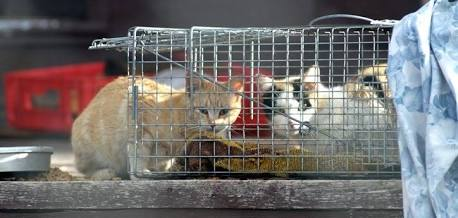
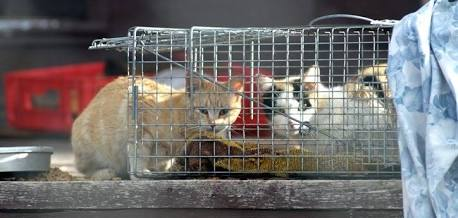
What is TNR for cats? TNR means Trap-Neuter-Return, a humane way to help outdoor cats while reducing the number of kittens born in a community. A trained caregiver safely traps an outdoor cat, takes the cat to a veterinary clinic for spaying or neutering, vaccination, and often ear-tipping, and then returns the cat to the same outdoor area.
In simple words, TNR does not mean catching cats and leaving them somewhere new. Instead, it means helping cats stay healthy in the place they already know.
Moreover, TNR focuses on community cats, including many free-roaming stray and feral cats. These cats may live around homes, farms, apartment buildings, businesses, parks, alleys, or other outdoor spaces. Alley Cat Allies explains that community cats are domestic cats who live outdoors and that TNR has become a widely used approach for managing these populations.
This guide explains what is TNR for cats, how it works, when it helps, what can go wrong, and how beginners can approach the process safely.
What Is TNR for Cats in Simple Words?
What is TNR for cats in the simplest possible explanation? It is a three-part process:
- Trap: Humanely catch the outdoor cat.
- Neuter: Have a veterinarian spay or neuter the cat.
- Return: Take the recovered cat back to its original outdoor home.
Female cats receive a spay, while male cats receive a neuter. Clinics may also provide vaccinations and other care.
Then, the veterinarian or trained clinic staff usually removes the tip of one ear while the cat is under anesthesia. This is called ear-tipping. It gives people a clear sign that the cat has already gone through a TNR program.
Therefore, another person does not need to trap the same cat again.
What Does TNR Stand For?
The letters in TNR are easy to remember:
| Letter | Meaning | What happens |
| T | Trap | A humane trap safely catches the cat |
| N | Neuter | A vet spays or neuters the cat |
| R | Return | The cat goes back to its original area |
Although people sometimes say “trap, neuter, release,” return is the more common term because the goal involves taking the cat back to its established outdoor home.
Why Outdoor Cats Need a Different Approach
Many outdoor cats do not behave like indoor pets.
For example, a friendly stray may approach people, while a feral cat may hide, hiss, or run away. A feral cat may never have learned to trust humans.
As a result, forcing such a cat into a home can create major stress.
The International Society of Feline Medicine notes that unowned cats generally do best when they return to their familiar territory after TNR, unless that location creates a real danger or local rules prevent it.
What Is TNR for Cats and Why Does It Matter?
What is TNR for cats from a community point of view? It is population management.
Cats can reproduce quickly. Without sterilization, one group can produce many kittens over time. Those kittens can later produce more kittens.
TNR breaks that cycle.
Once cats receive sterilization, they cannot produce new litters. Therefore, fewer kittens enter the outdoor population.
ASPCA describes TNRM, or Trap-Neuter-Return-Monitor, as a way to stabilize community cat populations. ASPCA says that sterilizing at least 75% of cats in a group within six months, followed by continued sterilization of remaining intact cats, can help stabilize and eventually reduce population size.
The First Step: Find the Whole Cat Group
Before trapping one cat, observe the area.
Count the cats if possible. Look for:
- Adult males
- Adult females
- Kittens
- Pregnant females
- Friendly cats
- Cats with ear-tips
- Sick or injured cats
- New cats arriving
This step matters because treating only one or two cats may not solve the larger problem.
For example, imagine a property with 12 cats. You sterilize three males but leave nine females intact. New kittens can still appear.
Therefore, a successful project needs a plan for the whole group.
Learn Which Cats Already Had TNR
Look carefully at each cat’s ears.
An ear-tip usually shows that the cat has already been sterilized through a TNR program. This small mark can save time, stress, and money.
However, do not assume every ear injury means TNR.
If you are unsure, ask a veterinarian or experienced TNR group for help.
What Is TNR for Cats Before the Trap?
What is TNR for cats before trapping begins? It is preparation.
Good preparation can prevent many problems.
First, locate a veterinarian or low-cost spay/neuter clinic. Next, confirm appointment times. Then, prepare safe holding space for trapped cats.
You also need:
- Humane box traps
- Trap covers
- Labels
- Towels
- Food for bait
- Clean recovery space
- Transportation
- Veterinary contact information
Alley Cat Allies recommends arranging veterinary services and a recovery area before trapping begins.
Build a Feeding Routine First
Cats become easier to monitor when they follow a routine.
Feed them in the same general place and around the same time each day.
Then observe which cats arrive.
This routine helps you understand the colony before you trap anyone.
However, do not suddenly move the feeding station just because you plan to trap. Cats need familiar surroundings.
Choose the Right Humane Trap
Use a proper humane box trap made for cats.
Never try to grab a frightened feral cat with your hands. Also, do not use harmful devices, drugs, or unsafe methods to catch the animal.
A proper trap allows the cat to enter for food and closes without causing intentional injury.
Alley Cat Allies specifically recommends humane box traps and warns against dangerous methods such as darts or tranquilizers for catching feral cats.
What Is TNR for Cats During Trapping?
What is TNR for cats at the actual trapping stage? It means catching the cat carefully while reducing fear and injury.
Place the trap on a stable surface.
Use suitable bait that attracts the target cat. Then step away while keeping the trap under observation.
Once a cat enters, cover the trap with a towel or trap cover.
The cover can help reduce visual stimulation and stress.
Never leave a trapped cat unattended for long periods.
Why Trap Covers Matter
A frightened cat can become extremely stressed inside a trap.
A cover makes the space feel darker and safer.
It can also reduce visual contact with people, dogs, cars, and other cats.
Therefore, keep the trap covered unless a veterinarian needs access.
Veterinary Care Makes TNR More Than Sterilization
A TNR visit can include more than surgery.
Depending on the clinic, the cat may receive:
- Spay or neuter surgery
- Rabies vaccination
- Other recommended vaccines
- Ear-tip
- Microchip
- Basic health examination
- Treatment for certain problems when appropriate
The exact services depend on the cat, clinic, local law, and available resources.
The American Association of Feline Practitioners has recommended vaccination as part of TNR care, including rabies vaccination where appropriate.
What Is TNR for Cats and Ear-Tipping?
What is TNR for cats without ear-tipping? It can become harder to identify which cats already received treatment.
Ear-tipping solves that problem.
The vet removes a small, clear portion of one ear while the cat is already under anesthesia. The procedure creates a permanent visual marker.
Later, a caregiver can identify a sterilized cat from a distance.
This prevents unnecessary repeat trapping and surgery.
Why Rabies Vaccination Matters
Rabies presents a serious public health concern in places where the disease occurs.
Vaccinating outdoor cats can protect the animals and help reduce risk within the community.
The AAFP feline vaccination guidance supports rabies vaccination for community cats when appropriate.
However, vaccine rules vary by location.
So, always follow your veterinarian’s advice and local law.
Recovery After Surgery
After surgery, the cat needs a quiet and controlled recovery period.
Keep the trap covered and place it in a secure area with suitable temperature.
Watch for warning signs such as:
- Heavy bleeding
- Trouble breathing
- Severe weakness
- Repeated vomiting
- Serious swelling
- Unusual behavior
- Problems waking from anesthesia
If something looks wrong, contact the veterinary clinic immediately.
Alley Cat Allies recommends monitoring cats after surgery and contacting the veterinarian if complications such as bleeding, vomiting, or breathing problems appear.
What Is TNR for Cats When the Cat Returns?
What is TNR for cats after surgery? The final step involves returning the cat to its original location.
The cat should normally go back to the place where it was trapped.
Why?
Because that location is the cat’s known territory.
The cat knows where to find shelter, food, water, and other cats.
Moving a cat to a completely unfamiliar location can create serious problems.
Never Randomly Relocate a Community Cat
Some people believe that taking cats away solves every problem.
However, relocation can be dangerous.
A cat may not know where to find food or safe shelter in the new location. It may also face unfamiliar cats, dogs, traffic, and other dangers.
Therefore, return the cat to its established home whenever it is safe and legal to do so.
Real-Life Example: A Small Apartment Colony
Consider a fictional but realistic example.
A property manager notices 14 outdoor cats around an apartment complex. Several residents complain about nighttime noise.
Instead of removing the cats one by one, volunteers first count the group.
They then arrange a clinic appointment.
Over several weeks, the volunteers trap the cats, sterilize them, vaccinate them, ear-tip them, and return them.
The volunteers also monitor new arrivals.
As a result, the group stops producing new kittens, while mating-related behaviors can decline.
This example shows why a whole-colony approach can work better than treating one cat at a time.
Case Study: The ASPCA TNRM Model
A useful real-world model comes from ASPCA’s description of TNRM.
The model adds monitoring to TNR.
A caregiver watches the colony, provides basic care, notices new cats, and arranges sterilization for newcomers.
ASPCA says this approach can stabilize populations when communities sterilize a high percentage of cats and continue addressing intact newcomers.
This point is important because TNR is not usually a one-day project.
It requires follow-up.
Advantages of TNR for Cats
The major benefits include:
| Advantage | Why it matters |
| Fewer kittens | Sterilization stops reproduction |
| Less mating behavior | Roaming, fighting, and calling may decrease |
| Better identification | Ear-tipping shows treated cats |
| Vaccination opportunity | Cats can receive important vaccines |
| Reduced shelter pressure | Fewer outdoor cats may enter shelters |
| Colony monitoring | Caregivers can spot illness or injury |
| Familiar territory | Cats return to an area they know |
| Community cooperation | A planned program can reduce conflict |
Alley Cat Allies reports that sterilization can reduce behaviors linked with mating, including yowling, spraying, roaming, and fighting.
Disadvantages and Challenges
TNR also has limits.
It requires:
- Time
- Money
- Volunteers
- Veterinary access
- Transportation
- Planning
- Follow-up
Furthermore, not every outdoor cat can safely return to every location.
A cat may face dangerous traffic, severe abuse, unsafe construction, or other serious threats.
In such cases, work with a veterinarian and qualified rescue group to find the safest solution.
TNR Is Not a Quick Fix
One common mistake involves expecting instant results.
TNR does not remove every cat overnight.
Instead, it stops reproduction and helps stabilize the population over time.
New cats can also enter an area.
Therefore, caregivers need to monitor the group and address new unsterilized cats.
What Is TNR for Cats Compared With Adoption?
What is TNR for cats compared with adoption? They serve different cats.
A friendly, social cat may have a good chance of living indoors.
A frightened, unsocialized adult cat may be happier outdoors in its established territory.
However, kittens often have more potential for socialization.
ASPCA recommends that community-cat programs consider whether cats are owned, socialized, young, sick, injured, or otherwise suitable for different outcomes.
Friendly Stray Cats Need Extra Attention
Do not assume every outdoor cat is feral.
A friendly cat may be lost.
Before trapping, look for:
- Collar
- Microchip
- Friendly behavior
- Missing-pet reports
- Signs of ownership
A microchip scan can help identify an owned animal.
Therefore, TNR should not become an excuse to sterilize or permanently return someone’s lost pet without proper checks.
Kittens Need a Different Plan
Very young kittens may need special care.
A nursing mother also requires careful planning.
Before trapping a mother, check whether kittens are nearby.
Never separate a nursing mother from very young kittens without professional guidance.
A veterinarian or experienced rescue group can help decide whether the family should remain together, enter foster care, or follow another plan.
What Is TNR for Cats in Bad Weather?
What is TNR for cats during extreme weather? Timing becomes especially important.
Avoid trapping when you cannot provide safe transportation and recovery conditions.
Extreme heat, severe cold, storms, and flooding can make the process harder.
A trapped cat cannot move freely to find shade or shelter.
So, plan around weather conditions and veterinary availability.
Feeding After Return
After the cat returns, restore its normal feeding routine.
Provide fresh water.
Keep the area clean.
Then watch the cat from a distance.
The cat may act differently for a short period after surgery.
However, serious symptoms require veterinary advice.
What Is TNR for Cats and Colony Monitoring?
What is TNR for cats without monitoring? It is incomplete population management.
Keep simple records.
For example:
| Cat | Sex | Ear-tip | Sterilized | Vaccinated | Date |
| Black male | Male | Yes | Yes | Yes | May 2026 |
| Gray female | Female | Yes | Yes | Yes | June 2026 |
| Orange male | Male | No | No | Unknown | Follow-up |
This simple system prevents duplicate work.
Track New Cats Quickly
A new intact cat can restart reproduction in a colony.
Therefore, watch for newcomers.
If you see an unmarked cat, take a photograph from a safe distance and contact your local TNR provider.
Then plan the next trapping session.
What Is TNR for Cats and Community Safety?
What is TNR for cats from a neighborhood safety perspective? It can create a more organized way to manage outdoor cats.
Instead of random feeding and random trapping, a caregiver can:
- Identify cats.
- Sterilize them.
- Vaccinate them when appropriate.
- Monitor health.
- Keep feeding areas clean.
- Address complaints.
- Watch for new cats.
This structured approach can improve communication between residents and animal-care workers.
Expert Advice: Start With a Veterinarian
Veterinary advice should guide surgery, vaccines, recovery, and treatment.
Do not attempt surgery or medical treatment yourself.
Also, ask the clinic about:
- Fasting instructions
- Vaccine needs
- Recovery time
- Pain control
- Ear-tipping
- Microchips
- Emergency contact details
Local rules can also affect what you may legally do.
Expert Advice: Learn Before You Trap
If this is your first TNR project, ask an experienced organization for help.
Alley Cat Allies provides guides and a resource tool that can help people locate community-cat resources. Its resource tool was updated July 24, 2026, and lists services such as low-cost spay/neuter clinics and other cat-support resources in the United States, Puerto Rico, and Canada.
Useful TNR Resources and Addresses
For reliable information, use established animal-welfare organizations.
Alley Cat Allies
7920 Norfolk Avenue, Suite 600
Bethesda, MD 20814-2525
Phone: 240-482-1980
ASPCA
424 E. 92nd St.
New York, NY 10128-6804
General phone: 212-876-7700
ASPCA Community Cats Information
These addresses are useful reference points, but they do not mean you should physically bring a community cat to either organization. Instead, look for a local veterinarian, shelter, rescue, or TNR provider.
TNR Costs Can Vary
There is no single worldwide TNR price.
Costs can include:
- Trap rental
- Spay or neuter
- Vaccination
- Ear-tipping
- Transportation
- Medication
- Emergency treatment
- Microchipping
Low-cost clinics may offer special community-cat prices.
Therefore, call several local clinics and compare their TNR packages before trapping.
What Is TNR for Cats in Bangladesh?
What is TNR for cats if you live outside the United States? The basic idea remains the same, but local resources and laws can differ.
In Bangladesh, for example, a person should contact a local veterinarian or established animal-welfare organization before trapping community cats.
Do not assume that a U.S. clinic’s rules apply locally.
Also, rabies vaccination and local animal-health advice matter greatly.
Common Mistake: Trapping Without a Vet Appointment
Never trap first and search for a clinic later.
Imagine trapping five cats on Monday but discovering that the clinic cannot perform surgery until Friday.
You then need to house five frightened cats safely for several days.
That can create unnecessary stress.
Instead, confirm the appointment first.
Common Mistake: Returning Cats Somewhere Else
Return cats to the place where they live.
Do not release them at another park, neighborhood, farm, or roadside simply because it looks quiet.
A new location may not have food, shelter, or safety.
The ISFM guidelines specifically support returning neutered cats to their established territory when possible.
Common Mistake: Forgetting to Monitor the Colony
The work does not end when the trap opens.
Keep watching the group.
Notice:
- Weight changes
- Injuries
- New cats
- Sick cats
- Missing cats
- Changes in feeding
- Unusual behavior
A caregiver can spot problems earlier than someone who visits only once.
Common Mistake: Trapping a Friendly Pet
Before trapping, check whether the cat belongs to someone.
Ask neighbors.
Look for lost-pet notices.
Use a microchip scanner when available.
If a cat clearly belongs to a household, contact the owner instead of treating it as a feral community cat.
What Is TNR for Cats and the “Vacuum Effect”?
What is TNR for cats compared with simply removing outdoor cats?
A key argument for TNR involves population replacement.
When cats disappear from a suitable outdoor area, other cats may move into the same area if food and shelter remain available.
TNR instead sterilizes the existing cats and continues monitoring newcomers.
That approach can reduce reproduction without simply creating an empty space for new breeding cats.
A Simple TNR Planning Chart
| Stage | Main action | Beginner goal |
| Observe | Count cats | Know the colony |
| Plan | Contact clinic | Confirm surgery |
| Prepare | Get traps | Work safely |
| Trap | Catch cats humanely | Reduce stress |
| Vet | Surgery and vaccines | Improve health |
| Mark | Ear-tip | Identify treated cats |
| Recover | Monitor cats | Watch for problems |
| Return | Restore territory | Return to original home |
| Monitor | Watch colony | Find newcomers |
| Repeat | Treat remaining cats | Reach high sterilization coverage |
What Is TNR for Cats and Animal Shelters?
What is TNR for cats from a shelter perspective? It can help keep some community cats out of overcrowded shelter systems.
ASPCA supports approaches such as Return-to-Field for suitable community cats that enter shelters, while also emphasizing that sick, injured, very young, or otherwise unsuitable cats need different pathways.
Therefore, TNR should work alongside adoption, foster care, veterinary treatment, and other animal-welfare services.
TNR Does Not Mean Ignoring Sick Cats
A major misunderstanding is that TNR means every cat must immediately return outdoors.
That is not correct.
A cat with a serious injury or illness may need veterinary treatment.
Likewise, a kitten may need foster care.
A cat facing an immediate danger may need a different placement.
The goal should always be the safest humane outcome for that individual cat.
Frequently Asked Questions About What Is TNR for Cats
What is TNR for cats?
What is TNR for cats? It is Trap-Neuter-Return, a program that humanely traps outdoor cats, sterilizes and usually vaccinates them, and returns them to their original territory.
Is TNR safe for cats?
When trained people work with qualified veterinarians, TNR can be performed safely. Proper trapping, anesthesia, surgery, recovery, and monitoring all matter.
Does TNR hurt cats?
Spay and neuter surgery requires anesthesia and veterinary care. The veterinarian should provide appropriate pain management and recovery instructions.
Why do TNR cats get ear-tipped?
Ear-tipping creates an easy visual sign that a cat has already received sterilization through a TNR program.
What happens to cats after TNR?
After recovery, cats normally return to the outdoor territory where they lived before trapping.
Can friendly cats receive TNR?
Yes, but first check whether the cat has an owner. A friendly stray may need help finding its family or an indoor home.
Can kittens receive TNR?
Kittens need individual assessment. Very young kittens may need their mother or foster care rather than immediate return.
Does TNR stop cats from having kittens?
Yes. Spaying and neutering prevent the treated cats from reproducing.
Does TNR stop spraying?
Sterilization can greatly reduce mating-related spraying, although it cannot guarantee that every cat will stop spraying.
Does TNR stop fighting?
It can reduce fighting connected with mating and competition. However, cats may still fight for other reasons.
Do TNR cats still need food?
Yes. A managed colony benefits from reliable food and clean water.
Should TNR cats be relocated?
Usually, no. Returning a cat to its established territory is generally preferred when the location is safe.
Can TNR reduce the number of cats?
Yes, especially when a large percentage of the colony becomes sterilized and caregivers continue treating new intact cats. ASPCA describes 75% sterilization within six months as a population-stabilization benchmark for TNRM.
Is TNR the same as adoption?
No. TNR manages suitable community cats outdoors, while adoption places socialized cats into homes.
What if a TNR cat becomes sick?
Contact a veterinarian or experienced rescue organization. Do not ignore serious symptoms.
What if I cannot afford TNR?
Look for local low-cost spay/neuter clinics, community-cat programs, shelters, rescue groups, or animal-welfare organizations.
Can I do TNR alone?
You can learn the process, but beginners should strongly consider working with an experienced TNR volunteer or organization.
What should I feed a trapped cat?
Use appropriate bait recommended by an experienced TNR provider. Do not overfeed before surgery because the veterinary clinic may give fasting instructions.
Should I leave a trap outside overnight?
Do not trap cats unless you have a clear plan for immediate monitoring, veterinary care, and safe recovery.
Is TNR legal everywhere?
No. Rules differ between cities, states, countries, and local authorities. Check your local animal-control and veterinary requirements before starting.
Final Verdict: What Is TNR for Cats?
So, what is TNR for cats in one sentence?
It is a humane population-management method that traps outdoor cats, has them spayed or neutered and cared for by a veterinarian, and returns them to their established outdoor homes.
The strongest TNR programs do more than sterilize cats. They also monitor colonies, vaccinate when appropriate, identify new arrivals, provide food and water responsibly, and respond to sick or injured animals.
Furthermore, TNR works best as a long-term community effort rather than a one-day activity. ASPCA and major feline-care guidance support structured community-cat management, while Alley Cat Allies provides detailed TNR resources and emphasizes preparation, humane trapping, veterinary care, recovery, and return.
If you are considering TNR for the first time, start with a local veterinarian or experienced TNR group. That one step can make the entire process safer for both you and the cats.