
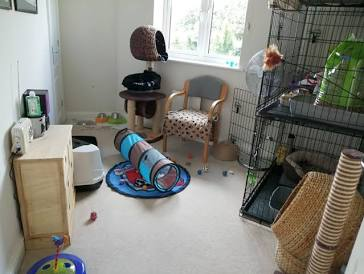
How to prepare your home for an adopted cat is easier when you think about the first few days from the cat’s point of view.
A new home can feel huge and confusing. There are unfamiliar smells, strange sounds, new people, and possibly other pets. Therefore, your goal should not be to make the whole house exciting on day one. Instead, make one small area safe, quiet, and easy to understand.
The ASPCA recommends giving a newly adopted pet a dedicated space where it can relax and decompress. It also advises pet-proofing the home, securing cords and windows, checking plants, and preparing basic supplies before the pet arrives.
This guide explains how to prepare your home for an adopted cat step by step. It covers supplies, litter, food, safety, children, other pets, the first night, common mistakes, expert advice, and real adoption examples.
How to Prepare Your Home for an Adopted Cat Before Adoption Day
The best preparation starts before your cat walks through the door.
First, choose the room or area that will become your cat’s starting space. A spare bedroom, quiet office, or bathroom can work well if it is clean, safe, and comfortable.
However, do not choose a room simply because it looks nice. Think about noise and traffic.
A room beside a washing machine, busy hallway, or barking dog may create unnecessary stress.
Instead, choose a place where your cat can rest without constant interruptions.
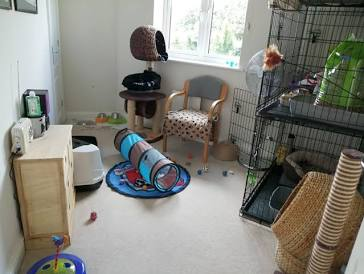
Build a Small Cat Home Base
A home base gives your cat a clear starting point.
Place these items inside:
- Food bowl
- Water bowl
- Litter box
- Comfortable bed
- Hiding box
- Scratching post
- A few safe toys
- Blanket
- Cat carrier
Keep the food and water away from the litter box. International Cat Care also recommends keeping litter trays away from food, water, busy areas, and noisy appliances.
This simple setup is one of the most useful parts of how to prepare your home for an adopted cat.
Pick a Quiet Room for the First Few Days
Your cat does not need the entire house immediately.
In fact, a smaller space can make the first few days easier.
Close doors to rooms that are not ready. Then allow your cat to explore the starting room at its own pace.
Some cats walk out of their carrier immediately. Others hide for hours or even days.
Both reactions can happen.
The ASPCA uses a gradual adjustment approach and notes that newly adopted pets can feel overwhelmed by unfamiliar sounds, smells, people, and other animals.
Make a Safe Hiding Place
Every new cat should have somewhere safe to hide.
You do not need to buy an expensive cat house.
A sturdy cardboard box with a soft towel can work well.
You can also place a covered cat bed in a quiet corner.
Why does this matter?
Because hiding gives a nervous cat control. The cat can watch what happens without standing in the middle of a busy room.
International Cat Care specifically highlights the value of private areas and hiding places for cats.
Check Every Window Before Arrival
Windows deserve special attention.
Check that screens fit tightly. Also, make sure windows cannot open far enough for your cat to escape.
Cats are excellent climbers, so a low window is not necessarily a safe window.
Furthermore, never assume a screen is strong enough simply because it looks secure.
Check it before bringing the cat home.
Secure Electrical Cords and Small Objects
Cats investigate things with their paws and mouths.
Therefore, loose electrical cords can become a problem.
Move cords behind furniture when possible. Use suitable cord covers where needed.
Also remove:
- Rubber bands
- String
- Sewing items
- Small plastic pieces
- Loose ribbons
- Hair ties
- Open bags
- Tiny toys
ASPCA pet-proofing guidance recommends securing cords and removing items that could create hazards.
Remove Toxic Plants
Houseplants can make a home look beautiful.
However, some plants can harm cats.
Before adoption day, check every plant in your home.
Do not guess based on the plant’s common name. Check reliable veterinary or animal welfare resources.
If you cannot confirm that a plant is safe, move it somewhere your cat cannot reach it.
ASPCA specifically advises pet owners to research plants because some can be poisonous to pets.
Lock Away Cleaning Products
Cleaning products should stay behind closed doors.
The same rule applies to:
- Medicines
- Laundry products
- Pest control products
- Automotive fluids
- Strong chemicals
- Human supplements
Cats can squeeze into surprisingly small spaces.
Therefore, a cabinet that looks difficult to reach may not stay difficult to reach for long.
Childproof cabinet locks can provide extra protection in homes where curious cats can open doors.
Prepare the Right Litter Box
Litter box planning is one of the most important parts of how to prepare your home for an adopted cat.
Choose a box that allows your cat to enter, turn around, scratch, and leave comfortably.
Many cats prefer large boxes and unscented litter. ASPCA also recommends one litter box per cat plus one extra in multi-cat homes.
For example:
One cat = ideally two litter boxes.
If your home has multiple floors, consider providing access to a litter box on each level.
Put the Litter Box in the Right Place
Location matters almost as much as the box itself.
Do not place it beside:
- Washing machines
- Loud dryers
- Food bowls
- Water bowls
- Busy doors
- Crowded hallways
- Areas where dogs can bother the cat
Instead, choose a quiet location with easy access.
Your cat should also have a way to leave the area without feeling trapped.
ASPCA explains that cats may avoid boxes because of poor location, uncomfortable litter, box size, or difficulty reaching the box.
Start With Familiar Litter When Possible
Ask the shelter or rescue what litter the cat currently uses.
Then, if possible, use the same type at first.
This reduces the number of changes your cat must handle at once.
Later, if you want to change litter, make the change slowly.
Sudden changes can cause some cats to avoid the box.
Choose Food Before the Cat Arrives
Ask the adoption center what your cat currently eats.
Then buy that food before pickup day.
A sudden move already creates change. Therefore, keeping the diet familiar can make the transition simpler.
Once your cat settles, you can discuss diet changes with your veterinarian.
Also, keep fresh water available at all times. ASPCA nutrition guidance recommends continuous access to fresh water.
Separate Food and Water From the Litter
Cats generally do not want their eating area next to their toilet area.
So, create separate zones.
For example:
Food → quiet corner
Water → another convenient area
Litter → private area
This layout gives your cat clear choices.
It also makes cleaning easier for you.
Add a Scratching Station
Scratching is normal cat behavior.
Therefore, do not treat scratching as bad behavior.
Instead, give your cat an appropriate place to scratch.
Try a sturdy scratching post or cardboard scratcher.
Put it near the sleeping area because many cats like to stretch and scratch after resting.
You can also add another scratching surface near furniture that you want to protect.
ASPCA recommends scratching posts as part of the basic setup for an adopted cat.
Give Your Cat Simple Toys
You do not need twenty toys.
Start with a few safe options.
Good choices include:
- Wand toys used with supervision
- Small cat balls
- Catnip toys
- Soft toys
- Simple puzzle feeders
Avoid toys with loose strings when you are not watching your cat.
Rotate toys instead of leaving everything on the floor.
That can make old toys feel new again.
Create a Comfortable Sleeping Spot
Your cat may ignore the expensive bed you bought.
That is normal.
Cats often choose their own sleeping spots.
Offer a few options instead.
A blanket on a chair, a cardboard box, and a soft bed can give your cat choices.
Do not force the cat to sleep in one particular place.
Make Vertical Space
Cats often feel safer when they can move upward.
A cat tree, sturdy shelf, or secure window perch can provide useful vertical space.
However, check that anything your cat climbs is stable.
Do not place unstable furniture near windows or dangerous edges.
Vertical space can also help in homes with more than one cat because it creates extra resting areas.
AAHA’s feline guidelines emphasize providing an appropriate, stimulating, and safe environment for cats.
Prepare Your Home for an Adopted Cat With Children
Children need instructions too.
Before the cat arrives, explain three simple rules:
- Let the cat come to you.
- Do not chase the cat.
- Never pull the cat’s tail or ears.
Also teach children not to disturb the cat while it eats, sleeps, or uses the litter box.
Young children should have adult supervision around a new cat.
This helps both the child and the animal build trust.
Prepare Your Home for an Adopted Cat With Dogs
If you already have a dog, do not introduce the animals face-to-face immediately.
First, keep them separated.
Allow each animal to become comfortable with the other’s smell.
Later, controlled introductions can begin.
Give the cat escape routes and high places that the dog cannot reach.
Also keep food and litter areas protected.
The cat should never feel trapped by the dog.
Prepare Your Home for an Adopted Cat With Another Cat
Two cats do not automatically become friends.
Therefore, slow introductions are important.
Start with separate rooms.
Let the cats smell each other through closed doors.
Then gradually allow safe visual contact.
Provide separate food, water, resting areas, scratching areas, and litter boxes.
In multi-cat homes, resource competition can create stress. ASPCA recommends distributing resources such as food, water, scratching posts, resting areas, and litter boxes.
Prepare the Carrier Before Adoption Day
The carrier should be ready before you leave for the shelter.
Put a washable blanket inside.
If the shelter allows it, add a familiar-smelling item.
Keep the carrier stable during transportation.
Never carry an unsecured cat loose in a car.
The carrier should remain closed until you reach a safe indoor location.
Make the First Car Ride Calm
The journey home can be stressful.
Keep the car quiet.
Avoid loud music.
Do not open the carrier during the trip.
Drive smoothly.
When you arrive, take the carrier directly to the prepared starting room.
Then close the door before opening the carrier.
This prevents an anxious cat from escaping into an unfamiliar house.
Prepare Your Home for an Adopted Cat on Day One
The first day should be simple.
Bring the carrier into the home base.
Close the door.
Open the carrier.
Then let your cat decide when to come out.
Do not pull the cat out.
Do not force cuddles.
Do not invite the whole family into the room.
Instead, sit quietly for a while and allow the cat to observe.
Do Not Panic if Your Cat Hides
Hiding does not always mean something is wrong.
A nervous cat may hide behind furniture, inside a box, or under a bed.
For example, the ASPCA documented Parker, a frightened kitten who initially avoided people after adoption. His family gave him space and basic care, and he slowly learned to trust them.
Another ASPCA adoption story describes Torrance, an older cat who spent much of his first month hiding. His adopters gave him time instead of forcing interaction.
These examples show why patience matters.
Give Your Cat a Predictable Routine
Cats often benefit from predictable daily patterns.
Try to keep feeding times fairly consistent.
Also keep play and quiet time predictable.
For example:
Morning: Food and fresh water
Afternoon: Quiet rest
Evening: Play and food
Night: Calm sleeping time
A routine helps your cat understand what happens next.
Watch Eating and Drinking
Keep track of whether your cat eats and drinks.
A nervous cat may eat less at first.
However, if your cat refuses food or water, seems very weak, vomits repeatedly, has trouble breathing, or shows other concerning signs, contact a veterinarian promptly.
Do not assume every behavior is simply stress.
Plan the First Veterinary Visit
Ask the shelter for the cat’s medical records.
Then arrange veterinary care according to your veterinarian’s advice.
Bring:
- Adoption paperwork
- Vaccination records
- Medication details
- Microchip information
- Questions about food
- Questions about behavior
AAHA’s feline guidance recommends permanent identification through microchipping.
Also make sure the microchip registration has your current contact information.
Prepare for Accidents
Even a trained cat may have a litter accident after moving.
Do not punish the cat.
Instead, clean the area thoroughly.
Then check the litter box setup.
Ask:
- Is the box clean?
- Is it easy to reach?
- Is the litter familiar?
- Is the box too small?
- Can another pet bother the cat?
- Is the location too noisy?
ASPCA notes that litter problems can have behavioral, environmental, or medical causes.
Keep Dangerous Doors Closed
Check doors leading to:
- Garages
- Basements
- Storage rooms
- Laundry areas
- Balconies
- Utility rooms
Your cat may explore these areas later.
However, they may contain chemicals, machines, wires, holes, or other hazards.
Therefore, keep them closed until you inspect them carefully.
Check Appliances Before Closing Them
This simple habit can prevent serious accidents.
Before using a washing machine or dryer, check inside.
Also check laundry baskets and reclining furniture.
Cats love warm, dark spaces.
ASPCA specifically warns that kittens may crawl into cabinets, dryers, laundry baskets, and drawers.
Create a Cat-Safe Bathroom
If the bathroom becomes your cat’s first room, remove dangerous products.
Close toilet lids.
Put medicines away.
Remove cleaners.
Secure cords.
Check small gaps behind appliances.
Then add the litter box, food, water, bedding, and hiding space.
Give the Cat Choices Instead of Commands
A new cat needs control.
Therefore, offer choices.
Give your cat:
- Two sleeping options
- A hiding place
- A scratching surface
- Safe climbing space
- A quiet area
- More than one water location if practical
Choices can help the cat feel secure.
Expand the House Slowly
Do not open every door on the first night.
Wait until your cat seems comfortable in the starting room.
Signs may include:
- Eating normally
- Using the litter box
- Exploring
- Playing
- Grooming
- Relaxing around you
Then open another room.
Let your cat return to the safe room whenever needed.
ASPCA recommends gradually introducing additional rooms as the pet becomes comfortable.
Protect Furniture Without Punishment
If your cat scratches the sofa, do not yell.
Instead, put an appropriate scratching post near the sofa.
Reward the cat when it uses the post.
You can also protect furniture temporarily while your cat learns where scratching is welcome.
Positive guidance is usually more useful than punishment.
How to Prepare Your Home for an Adopted Cat in an Apartment
Apartment living can work very well for cats.
However, small homes need smart planning.
Use vertical space.
Keep windows secure.
Create a dedicated resting area.
Use compact storage.
Place the litter box somewhere private but accessible.
Also provide daily play so your cat can stay active.
A small home can still provide a rich cat-friendly environment.
How to Prepare Your Home for an Adopted Cat in a House
A large house presents a different challenge.
Your cat may become overwhelmed by too many rooms.
Therefore, start small.
Then expand gradually.
Check every room for escape holes, loose wires, toxic plants, open windows, and unsafe storage.
Do not assume that a large house is automatically safer.
How to Prepare Your Home for an Adopted Cat With Special Needs
Some cats need special setups.
For example, an older cat may need easier access to food, water, bedding, or litter.
A cat with mobility problems may need a low-entry litter box.
An ASPCA case involving Lewis shows how a cat with disabilities needed ramps, secure raised bowls, and a large litter box with a shallow entrance.
Therefore, match the home to the individual cat rather than following a one-size-fits-all plan.
Real-Life Case Study: A Cat That Needed Time
One useful real-world example comes from ASPCA’s story about Homer.
After adoption, Homer spent weeks hiding. His adopter understood that trust would take time and did not rush him. His adjustment continued through gradual progress.
The lesson is simple:
A slow first month does not mean a failed adoption.
Sometimes the best thing an owner can give a frightened cat is time.
Real-Life Example: A Cat That Settled Quickly
Dulcie had a quiet private room after arriving at her new home. Her owner provided food, water, a litter box, a scratching board, toys, and a comfortable bed. Dulcie soon showed that she wanted to explore the wider apartment.
This example shows another important point.
Every cat has a different adjustment speed.
One cat may explore within hours.
Another may need weeks.
Therefore, do not compare your cat with someone else’s cat.
Advantages of Preparing Your Home Early
Good preparation offers several benefits.
Advantages
- Reduces unnecessary stress
- Makes the first day easier
- Helps prevent escapes
- Creates safe hiding places
- Makes litter training easier
- Protects furniture
- Helps children understand boundaries
- Makes feeding simple
- Gives your cat predictable choices
- Helps you notice unusual behavior sooner
Most importantly, preparation gives you more confidence.
Disadvantages of Poor Home Preparation
Poor preparation can create avoidable problems.
Disadvantages
- Cat may hide in unsafe places
- Litter accidents may become more likely
- Electrical cords can become dangerous
- Toxic plants may cause poisoning
- Children may overwhelm the cat
- Dogs may chase the cat
- Too much space may increase fear
- Sudden food changes may upset the stomach
- Unsecured windows can create escape risks
The good news is that most of these issues can be prevented with basic planning.
Expert Advice for a Better First Week
The most useful expert advice is simple: slow down.
ASPCA’s adoption guidance recommends patience, calm behavior, routine, and giving newly adopted pets time and space.
International Cat Care also stresses good litter placement, privacy, suitable resources, and safe housing.
Therefore, do not measure success by how quickly your cat becomes cuddly.
Measure success by whether your cat is becoming safer, calmer, and more comfortable.
Seven-Day Home Preparation Chart
| Home Area | What to Prepare | Why It Matters |
| Safe room | Bed, box, food, water | Gives the cat a calm starting point |
| Litter area | Large clean box, suitable litter | Supports good bathroom habits |
| Food area | Familiar food and bowl | Reduces sudden changes |
| Water area | Fresh water | Supports hydration |
| Window area | Secure screens | Reduces escape risk |
| Furniture area | Scratching post | Gives scratching an approved place |
| Play area | Safe toys | Supports activity |
| Family area | Clear rules | Prevents overwhelming contact |
| Pet area | Separate zones | Makes introductions safer |
| Vet care | Records and appointment plan | Supports health and identification |
First-Night Checklist
Before bedtime, check:
- Is the safe room closed?
- Is fresh water available?
- Is food available according to the cat’s feeding plan?
- Is the litter box clean?
- Is the room comfortable?
- Is there a hiding place?
- Are windows secure?
- Are dangerous objects removed?
- Are other pets separated?
- Can the cat reach everything safely?
If the answer is yes, you have completed the most important parts of how to prepare your home for an adopted cat.
FAQs About How to Prepare Your Home for an Adopted Cat
- How to prepare your home for an adopted cat on the first day?
Create one quiet room with food, water, litter, bedding, toys, and a hiding place. Then let the cat explore at its own speed.
- Should my adopted cat have the whole house immediately?
Usually, starting with one safe room is easier. Expand the cat’s access gradually as it becomes comfortable.
- Should I let my cat hide?
Yes. A safe hiding place can help a nervous cat feel secure.
- How long should a new cat stay in one room?
There is no single number for every cat. Move forward when the cat is eating, using the litter box, exploring, and showing signs of comfort.
- Where should I put the litter box?
Choose a quiet, easy-to-reach location away from food, water, loud machines, and areas where other pets can disturb the cat.
- How many litter boxes do I need?
A common recommendation is one box per cat plus one extra.
- What food should I give an adopted cat?
Start with the food the shelter or rescue has been feeding when practical. Ask your veterinarian before making major diet changes.
- Should I buy a cat bed?
A bed is useful, but your cat may prefer a box, blanket, chair, or another spot.
- Do cats need scratching posts?
Yes. Scratching is normal behavior, so provide safe scratching surfaces.
- How do I make my windows safe for a cat?
Use secure screens and make sure the cat cannot push through or escape around the window.
- What plants are dangerous to cats?
Several common houseplants can be toxic. Check each plant against a trusted animal safety resource before allowing your cat near it.
- Should children meet the cat immediately?
Keep the first meeting calm. Teach children to sit quietly, avoid chasing, and let the cat approach.
- How do I introduce my dog to an adopted cat?
Start with separation and controlled introductions. Give the cat safe escape routes and areas the dog cannot enter.
- Why is my adopted cat hiding?
Moving to a new home can be stressful. Hiding can be a normal early response, especially for shy cats.
- How can I help my cat trust me?
Use a calm voice, predictable routines, treats, play, and patience. Never force physical contact.
- Should I pick up my new cat?
Not unless necessary and unless the cat is comfortable with handling. Allow trust to develop first.
- What if my cat does not use the litter box?
Check the box size, location, litter type, cleanliness, and stress level. Also contact a veterinarian if the problem continues because medical issues can cause elimination problems.
- Does an adopted cat need a veterinarian?
Yes. Arrange veterinary care based on the adoption center’s records and your veterinarian’s advice.
- Should my cat be microchipped?
Microchipping provides permanent identification, and AAHA’s feline guidance recommends it for cats.
- What is the biggest mistake new cat owners make?
Moving too quickly is one of the most common mistakes. Give the cat time to understand the new environment.
Conclusion
Learning how to prepare your home for an adopted cat does not require expensive equipment or a perfect house.
Instead, focus on safety, quiet space, clean litter, fresh water, suitable food, scratching options, hiding places, and predictable routines.
Most importantly, remember that your cat has just experienced a major change.
Some cats will explore immediately.
Others will hide.
Some will want attention.
Others will need several weeks before they feel confident.
Therefore, do not rush the process.
A well-prepared home gives your new cat something valuable: a safe place to begin a new life.
When you combine careful preparation with patience, you give your adopted cat the best possible chance to become relaxed, confident, playful, and happy.
Recommended External Resources
- ASPCA Adoption Tips — practical guidance for preparing your home and helping a newly adopted pet adjust.
- ASPCA Cat Care Resources — cat-care information covering nutrition, behavior, and common concerns.
- International Cat Care — cat welfare and care guidance, including housing and litter-tray advice.
- AAHA Feline Life Stage Guidelines — veterinary guidance covering feline behavior, environment, identification, and care.