
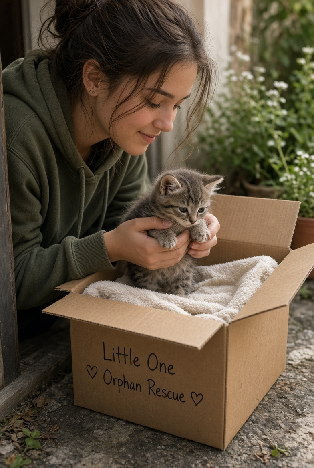
What to do if you find a stray kitten can feel confusing, especially when the kitten is tiny, cold, hungry, or crying. Your first thought may be to pick the kitten up and take it home. However, that is not always the best first step.
In many cases, the mother cat is nearby. She may have gone looking for food, moved another kitten, or simply hidden because people are close. Therefore, taking a healthy kitten away too quickly can separate it from the one animal that can care for it best: its mother. Alley Cat Allies recommends watching from a distance before deciding that a mother cat has abandoned her kittens.
At the same time, you should act quickly when a kitten looks sick, injured, extremely cold, weak, or in immediate danger. Young kittens can become seriously ill very quickly. Neonatal kittens, especially those under about four weeks old, need warmth, food, and special care around the clock if their mother cannot care for them.
This complete guide explains what to do if you find a stray kitten without making the situation harder. You will learn how to check the kitten, look for the mother, estimate its age, decide when to intervene, provide emergency warmth, find proper food, contact a veterinarian, and plan the kitten’s next step.
You will also find a practical chart, real-life examples, case studies, expert advice, advantages and disadvantages, common mistakes, and 20 frequently asked questions.
What to Do If You Find a Stray Kitten First
The first few minutes matter, but you do not need to panic.
First, stop and look around.
Ask yourself:
- Is the kitten in immediate danger?
- Does it look injured?
- Does it feel cold?
- Is it crying constantly?
- Does it look clean and well-fed?
- Are other kittens nearby?
- Can you see a mother cat?
- Is the location safe enough for you to watch from a distance?
Then keep your distance for a short time if the kitten looks healthy.
A mother cat may stay away because she does not want to approach while humans are watching. Therefore, stand or sit somewhere hidden and observe quietly.
If the kitten is in traffic, near aggressive animals, in extreme weather, or in another dangerous place, move it only far enough to keep it safe. Ideally, keep it close enough that the mother can still find it.
Why a Lonely-Looking Kitten May Not Be Orphaned
A kitten sitting alone does not automatically mean that it has no mother.
Mother cats often leave their kittens for short periods. They may need to find food or water. They may also be watching from a hidden location.
That is why one of the most important rules is simple: do not assume abandonment just because you cannot see the mother.
Alley Cat Allies says that people should watch kittens from a distance for several hours when possible because the mother may return.
What to Do If You Find a Stray Kitten and Mom Is Nearby
If the mother returns and the kittens look healthy, leave them together.
You can help without taking them away.
For example, you can provide:
- Clean water
- Suitable cat food for the mother
- A quiet shelter nearby
- Protection from dogs and other threats
- A calm place away from heavy human traffic
The mother can provide warmth, milk, cleaning, protection, and other care that humans cannot easily copy.
Check the Kitten Without Scaring It
Before touching the kitten, look closely.
A healthy-looking kitten may have:
- Bright eyes
- Normal movement
- A warm body
- A clean coat
- A normal level of energy
- A good body shape for its age
A kitten that needs urgent help may show:
- Extreme weakness
- Trouble breathing
- Heavy bleeding
- Serious wounds
- Severe diarrhea
- A very cold body
- Inability to stand
- Unresponsiveness
- Severe dehydration
- Constant distress
If you see serious warning signs, do not spend hours waiting for the mother. Contact a veterinarian or emergency animal service.
What to Do If You Find a Stray Kitten in Immediate Danger
Sometimes you cannot safely wait.
For example, a kitten may sit in the middle of a road. It may be trapped near construction equipment. A dog may be trying to attack it. Extreme heat or cold may also create an emergency.
In those situations, move the kitten to a nearby safe place.
Do not carry it several streets away unless a veterinarian or rescue worker tells you to do so.
A nearby box, carrier, or sheltered area can work temporarily.
The goal is to remove the immediate danger while giving the mother a chance to locate her baby.
Learn How Old the Kitten May Be
Age changes everything.
A newborn kitten has very different needs from a six-week-old kitten.
Alley Cat Allies provides a kitten progression guide that uses physical features and behavior to help estimate age.
Here is a simple guide:
| Approximate age | Common signs | General needs |
| Newborn | Eyes closed, ears folded, very small | Mother or round-the-clock care |
| 1 week | Eyes still closed or beginning to change | Warmth and frequent feeding |
| 2 weeks | Eyes open, movement improves | Warmth and milk |
| 3 weeks | More active, ears more upright | Milk and early exploration |
| 4 weeks | Walking and playing | Milk plus gradual weaning |
| 5 weeks | Active, playful, learning food | Kitten food and social care |
| 6 weeks | Running and exploring | Kitten food, water, litter training |
| 7–8 weeks | More independent | Socialization, veterinary care, adoption planning |
| 8+ weeks | Usually much more independent | Adoption or community-cat planning |
These are estimates, not exact medical rules. A veterinarian can give you a better assessment.
What to Do If You Find a Stray Kitten Under Four Weeks Old
Kittens under about four weeks old need special attention.
They cannot handle life like an older kitten.
Very young kittens may not be able to:
- Stay warm
- Eat solid food
- Use a litter box
- Eliminate waste without stimulation
- Protect themselves
- Stay safe from larger animals
Alley Cat Allies notes that neonatal kittens depend heavily on their mother and may need round-the-clock care if she cannot care for them.
Therefore, never casually decide to raise a newborn kitten alone.
Call a veterinarian, rescue group, experienced foster, or animal welfare organization for help.
The Mother Cat Should Usually Be Your First Thought
When deciding what to do if you find a stray kitten, always ask whether the mother is nearby.
The mother is not just a source of milk.
She also:
- Keeps kittens warm
- Cleans them
- Helps them eliminate waste
- Protects them
- Teaches normal cat behavior
- Helps them become confident
- Provides comfort
For these reasons, removing a young kitten from its mother can cause problems.
Alley Cat Allies recommends leaving young kittens with their mother when they are healthy and safe.
How Long Should You Watch for the Mother?
There is no single number that works in every situation.
The kitten’s health and surroundings matter.
If the kitten looks healthy and the area is safe, observe from a hidden location for several hours.
Do not sit directly beside the kitten the whole time.
Instead:
- Move away.
- Stay quiet.
- Watch from a distance.
- Look for the mother.
- Check again later.
If the kitten becomes weak or the situation becomes dangerous, seek help sooner.
What to Do If You Find a Stray Kitten and Mom Never Comes
If several hours pass and the mother does not return, reassess the kitten.
Look for signs of:
- Hunger
- Coldness
- Weakness
- Injury
- Dehydration
- Illness
If the kitten is very young, contact a veterinarian or experienced kitten rescue group quickly.
You can also ask whether an experienced foster has a nursing mother who may accept the kitten. Alley Cat Allies specifically recommends contacting veterinarians, rescue groups, and experienced volunteers when neonatal kittens truly need human care.
Create a Warm Temporary Nest
Warmth is one of the biggest needs for a very young kitten.
A simple temporary nest can include:
- A cardboard box or pet carrier
- Soft towels
- A safe heat source
- Enough space for the kitten to move away from the heat
The heat source should never cover the entire area.
The kitten must have a cooler place to move toward if it becomes too warm.
Alley Cat Allies warns that very young kittens can become dangerously chilled and recommends keeping them warm.
Never Put a Cold Kitten Straight on a Hot Surface
Gentle warmth is better.
Do not use extreme heat.
Also, do not leave a heating pad uncovered against the kitten’s body.
Never Feed a Cold, Weak Kitten Without Advice
This is an important safety point.
A very cold kitten may be unable to feed safely.
Alley Cat Allies advises warming chilled neonatal kittens before bottle feeding.
Therefore, if you find a cold newborn kitten, focus first on safe warmth and veterinary or rescue advice.
Do not rush into feeding simply because the kitten is crying.
What Food Does a Young Kitten Need?
Never assume that regular cow’s milk is suitable.
Young kittens need a diet designed for kittens.
For orphaned neonatal kittens, kitten milk replacer is commonly used instead of cow’s milk. Alley Cat Allies specifically warns against cow’s or goat’s milk and recommends kitten formula for very young kittens.
Older kittens may begin eating wet kitten food as they move through the weaning stage.
However, age matters.
When you are unsure, ask a veterinarian.
How Bottle Feeding Can Go Wrong
Bottle feeding sounds simple, but newborn kittens need careful handling.
A kitten should not be fed like a human baby lying on its back.
Alley Cat Allies recommends feeding kittens on their stomachs and using proper kitten feeding equipment.
Poor feeding technique can create serious problems.
Therefore, if you have found a very young kitten, ask an experienced caregiver or veterinarian to show you the correct method.
Bathroom Help for Tiny Kittens
Very young kittens cannot always eliminate waste on their own.
A mother cat normally helps stimulate them.
Kittens younger than about four weeks may need gentle stimulation after feeding. Alley Cat Allies describes using a warm, damp cotton ball, tissue, or soft cloth for this purpose.
This is another reason newborn kitten care takes time.
You are not simply giving food.
You may also need to provide warmth, cleaning, bathroom support, and monitoring.
Keep the Kitten Away From Your Other Pets
When you bring a stray kitten indoors, keep it separate from resident animals.
Do not immediately introduce it to your cat or dog.
The kitten may carry:
- Fleas
- Worms
- Skin problems
- Respiratory infections
- Other contagious conditions
Your existing pets may also stress the kitten.
Therefore, use a separate quiet room until a veterinarian has checked the kitten.
What to Do If You Find a Stray Kitten With Fleas
Fleas can be dangerous for tiny kittens.
A heavy flea load can contribute to weakness and anemia.
However, do not randomly apply flea medicine to a tiny kitten.
Some flea products are unsafe for very young animals.
Instead, ask a veterinarian about the kitten’s age, weight, and safest treatment.
Keep bedding clean and wash it regularly.
Watch for Signs of Dehydration
Dehydration can become serious.
Possible warning signs include:
- Weakness
- Lethargy
- Dry mouth
- Poor response
- Sunken eyes
- Reduced activity
Alley Cat Allies lists limpness, unresponsiveness, sunken eyes, and lethargy among signs that can indicate dehydration in young kittens.
If you suspect dehydration, contact a veterinarian.
Do not rely on home treatment alone for a weak newborn.
What to Do If You Find a Stray Kitten That Is Injured
An injured kitten needs a different plan.
Do not spend hours trying to find the mother if the kitten has a serious injury.
Place the kitten in a secure carrier or box with soft bedding.
Keep it warm and calm.
Then contact a veterinarian.
Signs that need urgent attention include:
- Heavy bleeding
- Broken bones
- Severe wounds
- Difficulty breathing
- Head injury
- Collapse
- Inability to stand
- Severe pain
- Unresponsiveness
Handle an injured kitten gently.
Do not force food or water into its mouth.
When a Kitten Needs a Vet Right Away
Call a veterinarian promptly when the kitten:
- Cannot breathe normally
- Cannot stand
- Feels very cold
- Has severe wounds
- Is bleeding heavily
- Is unconscious
- Has severe diarrhea
- Has repeated vomiting
- Shows extreme weakness
- Cannot eat
- Looks severely dehydrated
If you are unsure, it is safer to ask a veterinary professional.
Choose a Safe Room for Recovery
If the kitten needs indoor care, choose a small, quiet room.
A bathroom or spare room can work if you remove hazards.
Keep away:
- Cleaning chemicals
- Electrical cords
- Open windows
- Reclining furniture
- Small holes
- Toxic plants
- Other pets
Alley Cat Allies also recommends kitten-proofing rooms and securing windows and vents.
What to Do If You Find a Stray Kitten That Can Eat Alone
Older kittens may be much easier to care for.
If the kitten walks well, plays, explores, and eats solid food, it may be several weeks old.
At this stage, you can usually offer kitten-specific wet food and fresh water.
Provide a shallow litter tray with kitten-safe litter.
Keep the food area separate from the litter area.
Teach the Kitten About the Litter Box
Most older kittens learn quickly.
Place the kitten in a shallow litter tray after meals and naps.
Then let it explore.
Do not punish accidents.
Instead, clean the area and try again.
Young kittens learn through repetition.
Socialize a Friendly Stray Kitten Slowly
A friendly kitten may already have experience with people.
Talk softly.
Sit nearby.
Let the kitten approach you.
Offer a toy.
Avoid grabbing the kitten suddenly.
Socialization should build trust.
Alley Cat Allies recommends slow, supervised introductions and careful handling during kitten socialization.
What to Do If You Find a Stray Kitten That Is Scared
A frightened kitten may hiss, hide, scratch, or try to escape.
That does not mean it is bad.
It may simply be scared.
Give it a small safe space.
Provide food and water.
Speak quietly.
Avoid staring directly into its eyes for long periods.
Give the kitten time.
Some kittens become friendly after days or weeks of calm handling.
Do Not Assume Every Stray Kitten Needs a Shelter
A shelter is not always the first answer.
Very young kittens may need specialized foster care.
Some shelters may not have the staff or programs needed for round-the-clock neonatal care.
Therefore, call first.
Ask:
- Do you accept neonatal kittens?
- Do you have an experienced foster?
- Can you connect me with a kitten rescue?
- Can a veterinarian assess the kitten?
- Do you have a nursing mother cat?
This approach can prevent a vulnerable kitten from being moved unnecessarily.
Build a Local Rescue Team
You do not have to solve everything alone.
Create a small list of contacts:
- Local veterinarian
- Emergency veterinarian
- Animal rescue group
- Foster network
- Local animal welfare organization
- Experienced kitten caregiver
- Trusted shelter
Keep these numbers saved.
That way, you can act faster during an emergency.
What to Do If You Find a Stray Kitten With Siblings
Look around carefully.
There may be more kittens nearby.
Check:
- Under cars
- Behind bushes
- Under porches
- Around sheds
- Near walls
- Inside sheltered corners
Never move only one kitten without first checking whether others are present.
If the mother is caring for a group, keeping the family together is usually best.
Real-Life Example: A Kitten Under a Porch
Imagine that Maria hears a kitten crying under her porch.
She finds one tiny kitten but sees no mother.
Her first thought is to take the kitten inside.
Instead, she checks the kitten from a distance.
The kitten looks warm and active.
Maria moves away and watches quietly.
After some time, the mother cat appears.
She nurses the kitten and leaves again.
Maria then places food and water nearby for the mother.
This example shows why patience matters.
If Maria had immediately taken the kitten away, she could have separated a healthy kitten from its mother.
Case Study: A Cold Kitten Needs Fast Help
Consider another situation.
James finds a tiny kitten outside during very cold weather.
The kitten barely moves and feels cold.
This situation differs from a healthy kitten sleeping under a bush.
James places the kitten in a safe warm carrier and calls a veterinarian.
The veterinarian explains that the kitten needs immediate assessment.
This case shows why you should judge the kitten’s condition instead of following one rule for every situation.
Case Study: An Older Friendly Kitten Needs a New Home
A third example involves a kitten that runs toward people.
The kitten eats wet food, walks well, uses a litter box, and plays.
There is no mother nearby.
A local veterinarian checks the kitten.
The finder then contacts a rescue group and begins looking for an adoptive family.
This is often a much simpler situation than caring for a newborn kitten.
Advantages of Helping a Stray Kitten
Helping a kitten can have many benefits.
Advantage 1: You may save a life
A kitten in serious danger may not survive without help.
Advantage 2: You can prevent future suffering
Veterinary care, food, shelter, and sterilization can improve the kitten’s future.
Advantage 3: You may find a wonderful companion
Some rescued kittens become loving family pets.
Advantage 4: You can help the local cat population
Responsible adoption and spay/neuter care can reduce unwanted litters.
Advantage 5: You can help the mother too
Supporting a mother cat with food and future sterilization can improve the entire family situation.
Disadvantages of Taking a Kitten Home Too Quickly
Helping is good, but acting without thinking can create problems.
Disadvantage 1: You may separate the kitten from its mother
This can be harmful to young kittens.
Disadvantage 2: Newborn care takes a lot of time
Bottle babies can need frequent feeding and close monitoring.
Disadvantage 3: Veterinary costs can add up
Vaccines, parasite treatment, examinations, and other care may cost money.
Disadvantage 4: The kitten may spread illness to other pets
That is why quarantine and veterinary advice matter.
Disadvantage 5: You may not know the kitten’s history
The kitten could have an owner nearby.
Therefore, checking for identification and asking around can be useful when appropriate.
Expert Advice: Think Before You Rescue
The strongest lesson from kitten-care experts is simple:
First determine whether the kitten truly needs rescue.
Alley Cat Allies repeatedly emphasizes that a mother cat is usually the best caregiver for young kittens.
If the kitten is healthy, safe, and with its mother, your role may simply be to support the family.
If the kitten is orphaned, injured, or in danger, your role changes.
Then you may need to provide immediate care and professional help.
What to Do If You Find a Stray Kitten During Bad Weather
Weather can change the decision.
Heavy rain, extreme heat, severe cold, flooding, or storms can put kittens at risk.
If the mother is present, consider helping her find a safer nearby shelter.
A simple dry shelter can protect the family from rain.
However, do not trap the mother away from her kittens.
Keep the family together whenever possible.
Create a Simple Emergency Kit
If you often help animals, keep a basic kit ready.
You can include:
- Cardboard carrier
- Clean towels
- Small blanket
- Disposable gloves
- Kitten food
- Kitten milk replacer
- Kitten bottle
- Shallow food dish
- Water bowl
- Small litter tray
- Non-clumping litter
- Notebook
- Rescue contact list
Alley Cat Allies also provides a kitten care kit guide with supplies for different stages of kitten development.
Keep Notes About the Kitten
Write down what you observe.
For example:
Date: Wednesday
Time found: 3:00 PM
Location: Backyard
Estimated age: About 5 weeks
Condition: Active but hungry
Mother seen: No
Food offered: Kitten wet food
Vet contacted: Yes
Notes help you remember changes.
They also help a veterinarian or rescue group understand what happened.
How to Search for an Owner
Not every outdoor kitten is truly homeless.
Some kittens wander away from home.
If the kitten looks healthy and social, ask nearby residents whether they recognize it.
You can also:
- Take a clear photo
- Ask neighbors
- Check local lost-pet groups
- Contact local animal welfare groups
- Ask a veterinarian about scanning for a microchip when appropriate
Do not publish private information about yourself when posting online.
What to Do If You Find a Stray Kitten at Night
Nighttime makes everything harder.
If the kitten is healthy and safe, keep the area calm and watch for the mother.
If the kitten is in danger, move it to a nearby safe location.
If it is very young, cold, injured, or weak, contact an emergency veterinarian or animal rescue service.
Do not leave a seriously ill newborn outside simply because it is nighttime.
Common Mistakes New Kitten Helpers Make
Here are some common mistakes to avoid:
Mistake 1: Taking a healthy kitten away immediately
The mother may be nearby.
Mistake 2: Giving cow’s milk
Young kittens need proper kitten nutrition.
Mistake 3: Feeding a cold newborn
Warmth comes first for chilled neonatal kittens.
Mistake 4: Introducing the kitten to pets immediately
The kitten needs a safe, separate space.
Mistake 5: Using random flea medicine
Some products can be unsafe for young kittens.
Mistake 6: Waiting too long when the kitten is seriously ill
Emergency signs need professional care.
A Simple Decision Chart for Finders
Use this chart as a quick guide.
| What you see | Best first action | Why |
| Healthy kitten with mother | Leave them together | Mom provides vital care |
| Healthy kitten alone | Watch from a distance | Mom may return |
| Cold newborn | Warm safely and seek help | Chilling can be dangerous |
| Injured kitten | Veterinary help | Injury needs professional care |
| Kitten in traffic | Move to nearby safety | Immediate danger |
| Older friendly kitten | Check for owner and vet | It may be lost |
| Weak newborn without mom | Rescue support + vet | Needs intensive care |
| Multiple healthy kittens | Look for mother | Keep family together |
| Sick kitten | Vet promptly | Illness can worsen quickly |
| Kitten eating solid food | Safe room + assessment | More independent |
What to Do If You Find a Stray Kitten and Want to Adopt It
Adoption can be wonderful.
However, first make sure the kitten truly needs a home.
Then schedule veterinary care.
A vet can help with:
- Age estimate
- General health
- Parasites
- Vaccination plan
- Spay/neuter timing
- Microchip
- Nutrition
- Any illness
If the kitten belongs to someone, adoption may not be appropriate.
Prepare Your Home Before Bringing the Kitten Inside
Kitten-proofing takes only a little time.
Remove:
- Small objects
- Toxic plants
- Open chemicals
- Loose cords
- Dangerous strings
- Open windows
- Unprotected gaps
- Reclining furniture hazards
Give the kitten one safe room at first.
Then gradually allow more space.
What to Do If You Find a Stray Kitten That Bites or Scratches
Do not punish the kitten.
Fear often causes defensive behavior.
If the kitten scratches or bites, wash the affected area and seek medical advice when needed, especially if the wound is deep or becomes painful.
Use gentle handling.
If you cannot safely handle the kitten, ask an experienced rescue worker or veterinarian for help.
Help the Mother Cat, Too
Sometimes the kitten is only part of the story.
If the mother remains outdoors, she may need help as well.
You can support her with:
- Fresh water
- Suitable cat food
- A dry shelter
- A quiet area
- Veterinary support when needed
- Spay/neuter planning
Keeping the family healthy can prevent another emergency later.
The Most Important Lesson for Every Kitten Finder
The answer to what to do if you find a stray kitten depends on three things:
Age.
Health.
Mother’s presence.
Those three factors should guide your decision.
A healthy kitten with a caring mother usually needs space rather than rescue.
A sick or injured kitten needs professional care.
A truly orphaned newborn needs warmth, proper feeding, and round-the-clock support.
An older kitten may need veterinary care, socialization, and help finding a permanent home.
When in doubt, ask a veterinarian or experienced rescue worker.

Frequently Asked Questions
- What to Do If You Find a Stray Kitten?
First, check whether the kitten is injured or in immediate danger. If it looks healthy, watch from a distance to see whether the mother returns. If the kitten is sick, cold, injured, or weak, contact a veterinarian or rescue group.
- Should I Take a Stray Kitten Home Immediately?
Not always. If the kitten is healthy and safe, the mother may be nearby. Watch quietly before separating them. Young kittens usually do best with their mother.
- How Do I Know If a Kitten Has Been Abandoned?
You cannot know simply because you do not see the mother. Watch from a hidden location for several hours when conditions are safe. If the mother does not return and the kitten becomes weak or distressed, seek help.
- What Should I Feed a Newborn Stray Kitten?
Newborn kittens need specialized kitten formula if they do not have their mother. Do not give cow’s milk or goat’s milk. Ask a veterinarian or experienced neonatal kitten caregiver for feeding instructions.
- Can I Give a Stray Kitten Cow’s Milk?
No. Cow’s milk can cause digestive problems and is not suitable nutrition for a newborn kitten. Use a proper kitten milk replacer when a veterinarian or experienced caregiver recommends bottle feeding.
- How Can I Keep a Newborn Kitten Warm?
Use a safe warm nest with soft bedding and a protected heat source. Always leave space where the kitten can move away from the heat. Never place a very young kitten directly against an uncovered hot heating pad.
- What If the Kitten Feels Cold?
Warm the kitten safely and contact a veterinarian or experienced kitten caregiver. Do not rush to bottle feed a chilled neonatal kitten. Proper warming comes first.
- How Can I Tell How Old a Stray Kitten Is?
Look at the kitten’s eyes, ears, teeth, size, movement, and behavior. A kitten with closed eyes is usually very young, while a kitten that runs, plays, and eats solid food is older. A veterinary professional can provide a better estimate.
- Should I Separate Kittens From Their Mother?
Usually not when they are young, healthy, and safe. The mother provides important care that humans cannot easily replace.
- What If the Mother Cat Is Wild or Afraid of People?
Keep your distance and avoid chasing her. Give the family food, water, shelter, and quiet when appropriate. If the family needs intervention, contact an experienced community-cat or rescue group.
- Can I Give a Stray Kitten a Bath?
Avoid unnecessary bathing, especially for very young kittens. Wet kittens can become cold quickly. If cleaning is needed, use a warm damp cloth and dry the kitten fully.
- Should I Give a Stray Kitten Flea Medicine?
Do not use random flea products. Very young kittens can be sensitive to certain treatments. Ask a veterinarian which product, if any, is safe for the kitten’s age and weight.
- What If a Stray Kitten Has Diarrhea?
Diarrhea can become serious in young kittens because they can lose fluids quickly. Contact a veterinarian, especially if the kitten is weak, not eating, or very young.
- Should I Take a Stray Kitten to an Animal Shelter?
Call the shelter first. Ask whether it has a kitten foster program and can safely care for a neonatal kitten. Some very young kittens need specialized foster care rather than ordinary shelter housing.
- Can I Raise a Newborn Kitten by Myself?
You can, but newborn care is demanding. Very young kittens may need frequent feeding, warmth, bathroom stimulation, cleaning, and close monitoring. An experienced foster or veterinarian can make the process much safer.
- What If the Kitten Is Friendly?
A friendly kitten may have had human contact or may have an owner. Ask neighbors, contact local rescue groups, and have the kitten checked by a veterinarian. A microchip scan may help identify an owner.
- What If the Kitten Is Hissing at Me?
Give it space. Hissing usually means the kitten feels frightened or threatened. Use slow movements and a quiet voice. Do not punish it.
- How Long Should I Wait for the Mother Cat?
If the kitten is healthy and the location is safe, watch from a hidden place for several hours. However, do not wait if the kitten has a serious injury, extreme weakness, dangerous exposure, or another urgent problem.
- When Can a Kitten Be Adopted?
The right time depends on age, health, development, and local veterinary advice. Young kittens generally benefit from staying with their mother until they are old enough to be separated. Alley Cat Allies identifies about eight weeks as an important point for weaning and separation in many situations.
- What Is the Most Important Thing to Remember?
Do not confuse being alone with being abandoned. Check the kitten’s health, look for the mother, keep the kitten safe, and get professional help when the kitten is sick, injured, cold, or truly orphaned.
Final Checklist: What to Do If You Find a Stray Kitten
When you are unsure what to do if you find a stray kitten, use this short checklist:
Step 1: Stop and observe
Do not immediately grab the kitten.
Step 2: Check for danger
Move the kitten only if it faces immediate danger.
Step 3: Look for the mother
Watch from a distance when possible.
Step 4: Check the kitten’s health
Look for coldness, injury, weakness, or illness.
Step 5: Estimate the age
Age determines the care the kitten needs.
Step 6: Keep a very young kitten warm
Neonatal kittens cannot regulate body temperature well.
Step 7: Never give cow’s milk
Use appropriate kitten nutrition when bottle feeding is truly needed.
Step 8: Contact a veterinarian
Get professional advice for young, sick, injured, or weak kittens.
Step 9: Keep the kitten separate from pets
Use a safe room until the kitten receives proper assessment.
Step 10: Plan the next step
The answer may be reunification, foster care, veterinary treatment, adoption, or community-cat support.
Conclusion
Knowing what to do if you find a stray kitten can save you from making a well-meant mistake.
The most important point is that a kitten alone does not always mean an abandoned kitten. In many cases, the mother is nearby and may return when people leave. Therefore, healthy kittens should usually stay with their mother when they are safe.
However, you should act quickly when the kitten is cold, injured, sick, extremely weak, or in immediate danger.
Very young kittens need special care. They need warmth and the right nutrition, and orphaned neonatal kittens may need round-the-clock support.
Most importantly, you do not have to figure everything out alone. A veterinarian, experienced foster caregiver, or trusted rescue organization can help you make the right choice.
If you remember only one rule, remember this:
Observe first when it is safe, protect the kitten when it is in danger, and always consider whether the mother is nearby.
That simple approach gives a stray kitten the best chance of getting the right help at the right time.
Recommended External Resources
- Alley Cat Allies — Neonatal Kitten Care
Excellent resource for newborn kittens, including warmth, feeding, hydration, and round-the-clock care. Neonatal Kittens & How to Care for Them - Alley Cat Allies — Caring for Neonatal Kittens
A detailed guide for kittens under four weeks old. It explains why you should look for the mother first and what to do if she does not return. Caring for Neonatal Kittens - Alley Cat Allies — How Old Is That Kitten?
Useful for estimating a kitten’s age based on its eyes, ears, teeth, size, and behavior. It also explains feeding and warmth needs at different ages. Kitten Age and Care Guide - Alley Cat Allies — Kitten Care Resources
This resource hub includes guides on neonatal kittens, socialization, determining age, finding kittens outdoors, and caring for community cats. Alley Cat Allies Kitten Care Resources - ASPCA — Kitten Nursery
A helpful resource explaining the intensive care that newborn kittens may require and the role of foster caregivers. ASPCA Kitten Nursery - Stray Cat Alliance — Kitten Care
Provides additional information about caring for kittens and understanding the needs of cats living outdoors. Stray Cat Alliance Kitten Care - Alley Cat Allies — Found Kittens: Leave Them Be
Particularly useful for your article’s section about why you should not immediately remove a healthy outdoor kitten from its location. Found Kittens? Leave Them Be
Best 3 to prioritize
- Kitten age guide — supports your age-identification section.
- Neonatal kitten care guide — supports feeding, warmth, and emergency-care sections.
- ASPCA Kitten Nursery — provides an additional authoritative animal-welfare source.