
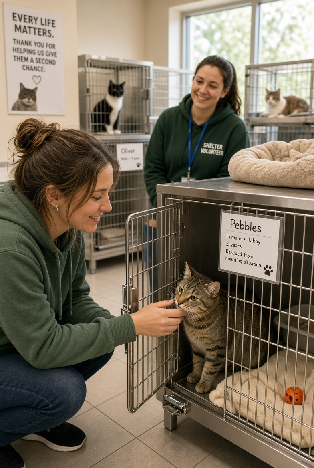
How to adopt a rescue cat is not only about finding a cute cat and taking it home. Instead, it is about finding an animal that fits your home, lifestyle, budget, and daily routine.
A rescue cat may have lived in a shelter, foster home, street environment, or another household. Therefore, every cat comes with a different story. Some cats are playful and confident. Others may hide when they first meet you. Some want attention right away, while others need several days or even weeks to trust a new person.
The good news is that adoption does not have to feel difficult.
With some planning, you can make the process calm and safe. You can also help your new cat feel comfortable from the first day.
The ASPCA adoption guide explains that shelters and rescue groups have different adoption processes, fees, and requirements. It also recommends preparing your home before your new pet arrives.
So, if you are asking how to adopt a rescue cat, start by thinking about the kind of cat that will work well with your life.
Why Learning How to Adopt a Rescue Cat Matters
Learning how to adopt a rescue cat before visiting a shelter can save you time and prevent common mistakes.
For example, you may love the look of a young kitten. However, a calm adult cat may fit your lifestyle much better if you work long hours.
Likewise, a very active cat may not be the best choice for someone who wants a quiet companion.
Therefore, adoption should focus on matching personalities, not simply choosing the prettiest cat.
A good match can lead to a stronger bond and fewer problems later.
How to Adopt a Rescue Cat Based on Your Lifestyle
Before you start searching, look honestly at your daily life.
Ask yourself:
- How many hours will the cat spend alone?
- Do you live in an apartment or house?
- Do you have children?
- Do you already have pets?
- Can you afford regular veterinary care?
- Can you pay for emergency treatment if needed?
- Do you travel often?
- Do you want an active or quiet cat?
- Can you provide daily playtime?
- Are you willing to care for a cat for many years?
These questions matter because cats can become long-term family members.
Also, remember that kittens usually need more supervision and play. Adult cats can sometimes offer a calmer routine.
How to Adopt a Rescue Cat From the Right Place
You can find rescue cats through several sources.
Animal Shelters
Local shelters often care for cats that need permanent homes.
Rescue Groups
Many rescue organizations use foster homes rather than large shelter buildings. Foster families can often provide useful information about a cat’s personality.
Foster-Based Programs
A foster caregiver may know whether a cat enjoys children, other animals, visitors, or quiet homes.
Owner-to-Owner Programs
Some organizations help families safely rehome pets directly.
The ASPCA shelter finder recommends contacting local shelters and rescue organizations when looking for adoptable animals.
You can also search adoptable cats through the ASPCA’s local shelter listings.
Make a Rescue Cat Checklist Before You Visit
A simple checklist can make your search much easier.
Write down your preferred:
- Age range
- Activity level
- Personality
- Grooming needs
- Medical needs
- Compatibility with children
- Compatibility with other cats
- Compatibility with dogs
- Indoor living needs
- Budget
However, keep the list flexible.
A cat may not match every preference but could still be a wonderful companion.
How to Adopt a Rescue Cat When You Have Children
Families with children should think carefully about temperament.
A young child may become excited when meeting a cat. However, sudden movements and loud sounds can frighten some cats.
Therefore, look for a cat whose history suggests that it is comfortable around children.
Ask the shelter:
- Has the cat lived with children?
- Does the cat enjoy being handled?
- Does the cat become frightened easily?
- Does the cat scratch when stressed?
- Does the cat prefer quiet spaces?
- What type of home does the staff recommend?
Then teach children to approach gently.
They should never chase, pull, hit, squeeze, or corner a cat.
How to Adopt a Rescue Cat When You Already Have Pets
Introducing a new cat requires patience.
Do not bring a new rescue cat home and immediately place it face-to-face with your existing pet.
Instead, prepare a separate room.
Your new cat should have:
- Food
- Water
- Litter box
- Bed
- Scratching post
- Toys
- Hiding place
Then allow the animals to get used to each other’s smell before direct meetings.
The Humane Society of the United States recommends slow, structured introductions between cats, including scent exchange and gradual visual contact.
Understanding a Rescue Cat’s Background
Every rescue cat has a different history.
Some cats may have lived in loving homes before becoming homeless. Others may have been found outdoors. Some may have been abandoned. Others may have arrived at a shelter because their previous owner could no longer care for them.
Therefore, do not judge a cat by its shelter behavior alone.
A frightened cat may act completely differently after settling into a quiet home.
Ask the shelter about:
- Previous homes
- Medical history
- Vaccinations
- Spay or neuter status
- Personality
- Food habits
- Litter habits
- Fear triggers
- Favorite toys
- Social behavior
- Known health problems
Good information can help you make a better decision.
How to Adopt a Rescue Cat by Meeting Several Cats
You do not have to choose the first cat you see.
Instead, meet several cats when possible.
Sit quietly near each one.
Watch their body language.
A cat that walks toward you may be confident. A cat that stays away may be shy. Neither behavior automatically means that one cat is better than another.
For example, a shy cat may become very affectionate once it feels safe.
Read Cat Body Language Before Choosing
Cats communicate with their bodies.
A relaxed cat may:
- Hold its body loosely
- Blink slowly
- Keep its ears in a natural position
- Approach calmly
- Rub against objects
- Groom normally
A frightened cat may:
- Hide
- Flatten its ears
- Crouch
- Keep its tail close
- Hiss
- Avoid eye contact
Do not force contact with a nervous cat.
Instead, give the cat space and let it decide whether to approach.
Ask the Rescue Group the Questions That Matter
Good questions can reveal whether the cat fits your household.
Ask:
“What is this cat like at home?”
This question can be more useful than simply asking whether the cat is friendly.
Also ask:
“Does the cat use the litter box?”
“Has the cat lived with other cats?”
“Has the cat lived with dogs?”
“Does the cat enjoy being held?”
“What food does the cat eat?”
“Does the cat have any health concerns?”
“What does the cat do when stressed?”
“What type of home would be best?”
The rescue team’s answers can help you avoid an unsuitable match.
How to Adopt a Rescue Cat Without Choosing Too Quickly
Emotions can become strong during adoption.
A cat may look at you with big eyes, and you may immediately want to take it home.
However, take a breath.
Think about the cat’s needs.
Think about your home.
Think about your budget.
Think about your schedule.
Then make your decision.
Responsible adoption means choosing a cat because you can meet its needs, not simply because you feel sorry for it.
Understand the Adoption Fee
Many shelters and rescues charge an adoption fee.
The amount can vary greatly.
The fee may help cover:
- Veterinary exams
- Vaccinations
- Spay or neuter surgery
- Parasite treatment
- Food
- Shelter care
- Microchipping
- Other medical services
The ASPCA notes that adoption fees vary by organization and can help cover veterinary care, food, vaccinations, and spay or neuter services.
Therefore, do not assume that a higher adoption fee means the cat is more valuable.
The fee usually supports the animal’s care and helps the organization assist more pets.
Create a Rescue Cat Budget
The adoption fee is only the beginning.
Your cat may need:
| Expense | What to Plan For |
| Adoption fee | One-time cost |
| Food | Monthly |
| Litter | Monthly |
| Veterinary care | Regular and emergency |
| Vaccines | As advised by your veterinarian |
| Parasite prevention | As advised |
| Toys | Occasional |
| Scratching posts | Occasional |
| Carrier | One-time |
| Emergency savings | Ongoing |
| Grooming | Depends on coat |
| Pet sitter | When traveling |
Costs vary by location and cat.
Therefore, create a realistic monthly budget before adopting.
Prepare a Safe Room Before Your Cat Arrives
One of the easiest ways to make adoption smoother is to prepare one quiet room.
This becomes your cat’s starting area.
Put inside:
- Litter box
- Food bowl
- Water bowl
- Bed
- Blanket
- Scratching post
- Toys
- Hiding box
Keep food and water away from the litter box.
Also, check the room for open windows, unsafe cords, tiny spaces, toxic plants, and objects the cat could swallow.
The ASPCA recommends creating a dedicated safe space and removing household hazards before bringing a new pet home.
Cat-Proof Your Home Before Adoption Day
Cats are curious.
That curiosity can create problems.
Secure loose wires.
Close unsafe windows.
Remove poisonous plants.
Keep medicines and cleaning products out of reach.
Put small objects away.
Check balconies carefully.
Keep doors and windows closed during the first days.
Also, check appliances such as washing machines and dryers before use.
A rescue cat may hide in surprising places when it first arrives.
Choose the Right Litter Box Setup
Your cat needs easy access to a clean litter box.
Place it somewhere quiet but easy to reach.
Avoid putting it directly beside food.
Clean waste regularly.
If you have more than one cat, many experts recommend providing multiple litter boxes. Your veterinarian or behavior professional can help you choose the right setup for your home.
Also, avoid changing litter types suddenly unless necessary.
Choose Food Before Adoption Day
Ask the rescue what food the cat currently eats.
Then buy the same food before bringing the cat home.
A sudden food change can upset the cat’s stomach.
After the cat settles in, you can discuss diet changes with your veterinarian.
The ASPCA cat-care guide notes that age, activity level, and health can affect what and how much a cat should eat.
Buy a Strong Cat Carrier
Never carry a frightened rescue cat loose in your car.
A secure carrier is much safer.
Choose a carrier with good airflow and enough room for the cat to sit and turn around comfortably.
Put a soft towel inside.
You can also place a familiar blanket in the carrier.
Keep the carrier secure during travel.
How to Adopt a Rescue Cat and Bring It Home Safely
Adoption day can feel exciting.
However, keep the trip calm.
Use a secure carrier.
Avoid loud music.
Do not open the carrier in a parking lot.
Once you arrive home, take the carrier directly to the prepared room.
Close the door.
Then open the carrier and allow your cat to come out on its own.
Do not pull the cat out.
Do not chase it.
Do not force cuddles.
Give it time.
The First 24 Hours Can Feel Strange
Your cat may hide.
It may refuse to play.
It may eat less than normal because of stress.
It may spend hours under a bed or inside a box.
This does not automatically mean the adoption failed.
The ASPCA describes the first three days as a period when an adopted pet may feel nervous and overwhelmed by new sounds, smells, people, and animals.
Therefore, calm behavior from you matters.
How to Adopt a Rescue Cat and Build Trust Slowly
Trust grows through repeated positive experiences.
Sit quietly in the room.
Read a book.
Talk softly.
Avoid staring.
Let your cat approach you.
Offer treats if appropriate.
Use gentle play.
Keep feeding times consistent.
Over time, your cat may begin to approach you.
That first head bump or lap visit can feel incredibly special.
Use Routine to Help Your Rescue Cat Feel Safe
Cats usually benefit from predictable routines.
Try to feed at similar times each day.
Play at similar times.
Clean the litter box regularly.
Keep the safe room consistent.
Then gradually introduce more parts of the home.
A predictable routine can help your cat understand what happens next.
Give Your Cat Places to Hide
Hiding is not always a bad sign.
A hiding place can help a nervous cat feel safe.
Use:
- Cardboard boxes
- Covered cat beds
- Cat tunnels
- Safe furniture spaces
- High resting areas
However, block dangerous hiding spots.
For example, you do not want your cat disappearing inside a wall, appliance, or unsafe cabinet.
Add Scratching Posts Early
Scratching is normal cat behavior.
It helps cats stretch, mark territory, and maintain their claws.
Place scratching posts near areas where your cat spends time.
You can also place one near furniture your cat tries to scratch.
Reward the cat when it uses the scratching post.
Do not punish normal scratching behavior.
How to Adopt a Rescue Cat With the Right Toys
Cats have different play styles.
Some love feather toys.
Others prefer balls.
Some like tunnels.
Others enjoy chasing moving objects.
Start with a few simple toys.
Rotate them instead of leaving everything out at once.
Interactive play can also help your cat exercise and bond with you.
Introducing Your Rescue Cat to Your Family
Let your cat meet family members slowly.
One person can sit quietly in the room.
Then another person can enter later.
Children should remain calm.
Visitors should wait until the cat feels comfortable.
The goal is not to introduce everyone on day one.
Instead, build confidence step by step.
How to Adopt a Rescue Cat When You Have a Dog
Dogs and cats can live happily together.
However, introductions need care.
Start with separate spaces.
Exchange bedding or other safe scent items.
Allow each animal to smell the other without direct contact.
Then use a barrier for visual meetings.
Keep the dog controlled.
Never allow chasing.
Watch body language.
If either animal becomes highly stressed, stop and try again later.
Introducing Two Cats the Right Way
Do not assume two cats will become friends immediately.
Start with separate rooms.
Feed them on opposite sides of a closed door.
Gradually exchange scents.
Then allow brief visual contact.
Later, if both cats remain calm, allow short supervised meetings.
The Humane Society’s cat guidance recommends a gradual introduction that begins with separation and scent exchange before moving toward visual contact.
Watch Your Rescue Cat’s Health
A new cat should have veterinary care planned.
Ask the rescue for medical records.
Take those records to your veterinarian.
Your veterinarian can review:
- Vaccination needs
- Parasite control
- Dental health
- Weight
- Diet
- Spay or neuter status
- Microchip information
- Other health concerns
The ASPCA recommends establishing veterinary care shortly after adoption.
Know When Your Cat Needs Veterinary Help
Contact a veterinarian if your cat shows concerning signs such as:
- Severe weakness
- Trouble breathing
- Repeated vomiting
- Serious diarrhea
- Major injury
- Collapse
- Difficulty urinating
- Extreme pain
- Sudden serious behavior changes
Do not try to diagnose serious illness yourself.
When in doubt, contact your veterinarian.
Real-Life Example: Luna Finds a Quiet Home
Consider a common rescue story.
Luna was an adult cat living in a busy shelter. She rarely came to the front of her enclosure when visitors arrived.
Many people passed her because she appeared shy.
One couple, however, asked the shelter staff about her personality.
The staff explained that Luna was gentle but nervous around loud sounds.
The couple lived in a quiet apartment.
They decided she might be a good match.
Instead of expecting instant affection, they prepared one quiet room.
During the first two days, Luna stayed mostly inside a cardboard box.
The couple did not force her out.
They sat nearby and spoke softly.
During the first week, she began eating normally and playing at night.
During the second week, she started approaching them.
After several weeks, Luna began sleeping beside them.
This example shows an important lesson: shelter behavior does not always reveal a cat’s full personality.
A quiet cat may simply need time.
Case Study: Milo and the Slow Introduction
Milo was adopted by a family that already had a resident cat.
The family initially wanted the cats to become friends immediately.
However, they followed a slower plan after receiving advice from their rescue group.
First, Milo stayed in a separate room.
Next, the cats exchanged bedding.
Then they ate meals on opposite sides of a closed door.
After that, they had short visual meetings.
Finally, they began supervised time together.
The process took several weeks.
At first, there was hissing.
Later, the cats became comfortable sharing the same rooms.
They did not become best friends overnight.
However, they learned to live peacefully together.
This case shows why patience can matter more than speed.
Advantages of Adopting a Rescue Cat
Adoption offers many benefits.
You Give a Cat a Home
Most importantly, you provide a safe place for an animal that needs one.
You Can Find Adult Cats
Adult cats often have established personalities.
Therefore, you may have a better idea of what you are getting.
You Support Animal Welfare
Your adoption also creates space for another animal that needs help.
You May Find a Great Match
Shelter and foster staff often know a cat’s habits and personality.
You Can Help an Overlooked Cat
Senior, shy, disabled, or less flashy cats may need extra attention.
The ASPCA notes that adoption can help free shelter space and resources for other animals in need.
Disadvantages to Consider Before Adoption
Rescue adoption is rewarding, but it can have challenges.
Your Cat May Need Time
A rescue cat may not trust you immediately.
Medical Costs Can Appear
Some cats need ongoing treatment.
Behavior May Change
A cat can behave differently after leaving the shelter.
Introductions May Take Weeks
Existing pets may need time to accept a newcomer.
Your Lifestyle Will Change
You must provide food, litter care, play, cleaning, and veterinary care.
Therefore, adoption should never be an impulse decision.
Expert Advice for First-Time Cat Adopters
Animal welfare professionals generally emphasize preparation, patience, proper veterinary care, and gradual introductions.
The ASPCA’s adoption guidance recommends preparing a dedicated space, pet-proofing the home, gathering supplies, and arranging veterinary care.
A useful rule is:
Go slower than you think you need to.
If your cat seems comfortable, you can move forward.
If your cat becomes frightened, take one step back.
Also, never punish fear.
Instead, create safety and give your cat choices.
How to Adopt a Rescue Cat: First-Week Schedule
Here is a simple example.
| Day | Main Goal | What to Do |
| Day 1 | Safety | Keep cat in prepared room |
| Day 2 | Routine | Maintain food, water, and litter schedule |
| Day 3 | Trust | Sit quietly and offer gentle interaction |
| Day 4 | Play | Introduce simple toys |
| Day 5 | Confidence | Allow more interaction if calm |
| Day 6 | Exploration | Consider supervised access to another area |
| Day 7 | Review | Check eating, litter use, behavior, and comfort |
Every cat is different.
Therefore, do not treat this schedule as a strict rule.
Some cats need less time.
Others need much more.
A Simple Rescue Cat Adoption Chart
| Adoption Stage | What You Need | Common Mistake | Better Choice |
| Research | Shelter information | Choosing too quickly | Compare several cats |
| Meeting | Quiet approach | Forcing contact | Let cat approach |
| Application | Honest information | Hiding household details | Be truthful |
| Home preparation | Safe room | Leaving hazards | Cat-proof first |
| Transport | Carrier | Carrying cat loose | Use secure carrier |
| First day | Patience | Too many visitors | Keep things quiet |
| Introductions | Slow plan | Immediate contact | Gradual meetings |
| Health | Vet records | Ignoring records | Review with veterinarian |
| Bonding | Routine | Expecting instant love | Build trust slowly |
How to Adopt a Rescue Cat When You Work Full-Time
You can adopt a cat even if you work full-time.
However, consider your schedule.
Adult cats may fit busy households better than very young kittens.
Before adoption, provide:
- Safe resting areas
- Fresh water
- Appropriate food
- Clean litter
- Scratching options
- Safe toys
- Daily interaction
When you return home, spend quality time with your cat.
Play sessions can help your cat stay active.
How to Adopt a Rescue Cat for Apartment Living
Cats can live well in apartments when their needs are met.
Use vertical space.
A cat tree can give your cat a safe place to climb.
Window perches can provide entertainment.
Scratching posts give cats an appropriate outlet for scratching.
Puzzle toys can provide mental activity.
Also, secure windows and balconies.
Never assume a cat will understand the danger of a high fall.
How to Adopt a Rescue Cat for a Senior Household
A calm adult or senior cat may be an excellent match for someone seeking a quiet companion.
Ask about:
- Energy level
- Handling tolerance
- Grooming needs
- Medical needs
- Litter habits
- Favorite routines
Senior cats may need more medical care, but they can also bring calm and companionship.
How to Adopt a Rescue Cat With Special Needs
Some rescue cats have disabilities or long-term health needs.
Examples can include:
- Vision loss
- Hearing loss
- Mobility problems
- Chronic medical conditions
- Anxiety
- Dental problems
Do not automatically reject these cats.
Instead, ask the rescue exactly what care the cat needs.
Then talk with a veterinarian before making a decision.
Make sure your home and budget can support the cat’s needs.
How to Adopt a Rescue Cat During a Busy Season
Holidays, moves, vacations, and major life changes can make adoption harder.
If your home is full of visitors, loud sounds, or travel plans, waiting may be better.
A rescue cat needs stability.
Therefore, choose a time when you can give the new pet a calm beginning.
What Not to Do After Adoption
Avoid these common mistakes:
- Do not force the cat to come out.
- Do not chase a hiding cat.
- Do not introduce every family member immediately.
- Do not introduce pets too quickly.
- Do not punish scratching.
- Do not punish accidents.
- Do not suddenly change food without a reason.
- Do not ignore medical concerns.
- Do not let an indoor cat escape.
- Do not expect instant affection.
Instead, use patience and positive experiences.
How to Adopt a Rescue Cat and Prevent Escape
Escape prevention deserves special attention.
New cats can become frightened by unfamiliar surroundings.
Keep exterior doors closed.
Check windows.
Tell everyone in the household to watch doors carefully.
Use the carrier when transporting the cat.
Microchipping can also provide an important form of permanent identification. The ASPCA recommends microchipping as a permanent identification method and advises keeping identification information current.
Prepare for Emergencies
A responsible cat owner should have an emergency plan.
Keep:
- Carrier
- Food
- Water
- Medications if prescribed
- Medical records
- Recent photos
- Litter supplies
- Contact information
- Emergency veterinarian details
The ASPCA recommends preparing emergency supplies and planning where pets can go during an evacuation.
How to Adopt a Rescue Cat and Keep It Safe Long-Term
Adoption does not end when you leave the shelter.
Long-term care includes:
- Regular veterinary visits
- Good nutrition
- Fresh water
- Clean litter
- Exercise
- Play
- Grooming
- Dental care
- Safe indoor living
- Mental stimulation
- Love and attention
Your cat depends on you every day.
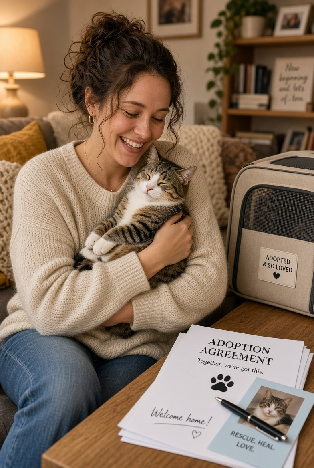
Frequently Asked Questions About How to Adopt a Rescue Cat
- How to adopt a rescue cat for the first time?
Start by finding a reputable shelter or rescue group. Then learn about the cat’s personality, health, history, and needs. Prepare your home before adoption and give your cat time to adjust.
- Is adopting a rescue cat difficult?
Usually, the process is manageable. However, each organization has its own rules, application process, fees, and adoption requirements.
- Should I adopt a kitten or adult cat?
It depends on your lifestyle. Kittens often need more supervision and play, while adult cats may have more predictable personalities.
- How long does a rescue cat take to settle in?
There is no single timeline. Some cats settle quickly, while shy cats may need weeks or longer.
- Should I let my rescue cat explore the entire house immediately?
Usually, starting with one quiet room works better. Once the cat becomes comfortable, you can gradually expand access.
- Why does my rescue cat hide?
Your cat may feel nervous because everything is new. Give it a safe hiding place and avoid forcing interaction.
- Should I force my rescue cat out of hiding?
No. Allow your cat to come out when it feels ready.
- How long should I wait before introducing my rescue cat to another cat?
There is no universal number of days. Start with separation and gradually introduce scent and visual contact.
- Can a rescue cat live with a dog?
Yes, many cats and dogs can live together. However, introductions should be gradual and supervised.
- What should I feed my newly adopted cat?
Start with the food the rescue currently provides unless your veterinarian recommends another option. Gradual food changes can be easier on the cat’s stomach.
- Should I take my rescue cat to a veterinarian?
Yes. Arrange veterinary care soon after adoption so your veterinarian can review health records and identify any needs.
- How much does it cost to adopt a rescue cat?
Fees vary between shelters and rescue groups. You should also budget for food, litter, routine veterinary care, supplies, and possible emergencies.
- Can I adopt a rescue cat if I live in an apartment?
Yes. Many cats can thrive in apartments when they have safe space, enrichment, scratching areas, and daily interaction.
- Should I adopt two rescue cats together?
Sometimes. Bonded cats may benefit from staying together. However, your household must be able to support both cats.
- What supplies do I need before adoption?
At minimum, prepare a carrier, food, water bowls, litter box, litter, bed or hiding place, scratching post, and toys.
- Can a shy rescue cat become affectionate?
Yes. Many shy cats become affectionate after they feel safe. However, each cat has its own personality.
- Should children handle a new rescue cat?
Children should interact gently and under adult supervision, especially during the first days.
- What if my rescue cat does not like me?
Give it time. Avoid forcing affection. Build trust through food, play, calm behavior, and predictable routines.
- Should I adopt a cat with medical needs?
You can, if you understand the care involved and can afford it. Ask the rescue for complete information and speak with a veterinarian.
- What is the most important rule for rescue cat adoption?
Be patient. Your cat has entered a completely new environment. Give it safety, routine, space, and time to build trust.
A Final Adoption Checklist
Before bringing your rescue cat home, check each item.
Before Choosing
- I understand my lifestyle.
- I know my budget.
- I have checked my housing rules.
- I have considered other pets.
- I have considered children.
- I have spoken with the rescue.
- I understand the cat’s known needs.
Before Bringing the Cat Home
- I have a carrier.
- I have food.
- I have water bowls.
- I have a litter box.
- I have litter.
- I have a scratching post.
- I have toys.
- I have a safe room.
- I have removed hazards.
- I have a veterinarian in mind.
After Adoption
- I keep a calm routine.
- I give the cat space.
- I monitor eating.
- I monitor drinking.
- I monitor litter use.
- I schedule veterinary care.
- I introduce pets slowly.
- I avoid forced interaction.
- I use positive reinforcement.
- I stay patient.
Final Thoughts: Give Your Rescue Cat Time
Learning how to adopt a rescue cat is really about learning how to build a relationship.
The adoption day may be exciting, but the first day does not define your relationship.
Your cat may hide.
Your cat may seem nervous.
Your cat may not sit on your lap.
That is okay.
Give your new companion time.
Create a safe space. Keep a steady routine. Offer food, play, gentle words, and quiet company. Most importantly, let your cat decide when it is ready for more contact.
The ASPCA’s guidance describes the first days, weeks, and months as a gradual adjustment period. During that time, routines, patience, bonding, and positive reinforcement can help a new pet settle into its home.
If you approach adoption with realistic expectations, you can create a strong foundation for a happy life together.
A rescue cat does not need a perfect owner.
It needs a safe home, proper care, patience, and someone who will not give up when the first few days are difficult.
That is the heart of responsible adoption.
And when your once-nervous rescue cat finally curls up beside you, follows you from room to room, or greets you at the door, you may realize that the slow beginning was worth every minute.
Helpful External Resources
- ASPCA — Adopt a Pet — Adoption information and adoptable pets.
- ASPCA — Adoption Tips — Guidance on choosing, preparing for, and welcoming a new pet.
- ASPCA — Find a Shelter — Help finding shelters and rescue organizations.
- ASPCA — General Cat Care — Basic cat health and care information.
- Humane Society of the United States — Cat Care Guide — Practical advice on cat care and introductions.