
How to become a cat foster parent is a question many animal lovers ask after seeing a cat or kitten that needs a safe place to stay. Foster homes give rescue cats a quiet place to rest, heal, learn, and prepare for adoption.
The good news is that you do not need to be a cat expert before you start. Instead, you need patience, a safe room, basic supplies, and a willingness to learn.
Also, you do not have to keep a foster cat forever. That is one of the main ideas behind fostering. You provide temporary care while a shelter or rescue group works toward the cat’s next home.
However, fostering is more than giving a cat food and a bed. You may need to give medicine, clean litter boxes, watch behavior, take photos, attend vet visits, or help an adopted cat adjust.
Therefore, the best foster parents prepare before the cat arrives.
This complete guide explains how to become a cat foster parent, what you need, what mistakes to avoid, how much it can cost, and how to help a foster cat find a loving home.
Understand What Cat Fostering Really Means
Cat fostering means caring for a cat on a temporary basis for a shelter, rescue group, or animal welfare organization.
For example, a rescue may have a friendly cat living in a crowded shelter. The rescue may ask a foster family to provide a quiet home until an adopter is found.
In another case, a mother cat may need a calm place to raise her kittens. A foster home can give the family more space and attention.
Some foster cats need only a few days of care. Others may stay for several weeks or even months.
So, how to become a cat foster parent starts with understanding that every foster experience can look different.
You may foster:
- Healthy adult cats
- Young kittens
- Mother cats with kittens
- Shy cats
- Senior cats
- Cats recovering from illness
- Cats recovering after surgery
- Cats that need socialization
- Cats waiting for adoption
- Cats whose owners need temporary help
Most importantly, the rescue should explain the cat’s needs before you agree.
How to Become a Cat Foster Parent Without Owning a Cat
You do not always need to own a cat to foster one.
In fact, some rescue groups prefer people who have no other pets because they can offer a separate, quiet space.
However, you should still understand basic cat care.
Before you apply, ask yourself:
- Can I feed a cat every day?
- Can I clean a litter box?
- Can I provide a safe room?
- Can I take the cat to vet appointments?
- Can I follow rescue instructions?
- Can I keep the cat indoors?
- Can I handle some mess?
- Can I give the cat time to settle?
- Can I say goodbye when the cat gets adopted?
If you can answer yes to most of these questions, fostering may be a good fit.
Choose the Right Rescue Group
One of the most important parts of how to become a cat foster parent is choosing a rescue that supports its volunteers.
Do not choose a group only because it has cute cats on social media.
Instead, ask questions about its foster program.
A good rescue should explain:
- Who pays for veterinary care?
- Who provides medicine?
- Who supplies food?
- Who pays for emergency treatment?
- Who handles adoption applications?
- Who answers questions after hours?
- What happens if the cat becomes sick?
- What happens if the foster home cannot continue?
- Can foster parents take vacations?
- What training does the rescue provide?
A written foster agreement can also help.
Alley Cat Allies’ foster-care toolkit highlights the importance of clearly deciding who handles supplies, veterinary care, adoption arrangements, and restrictions in foster homes.
Look for Local Foster Programs
Search for animal shelters, cat rescues, humane organizations, and community animal groups in your area.
You can search phrases such as:
- cat foster program near me
- kitten rescue near me
- cat shelter foster volunteer
- foster cats in my city
- kitten foster volunteer
- animal rescue foster program
If you live outside the United States, look for local animal welfare groups, veterinary clinics, rescue volunteers, and community cat organizations.
Also, ask your local veterinarian whether they know reputable rescue groups.
How to Become a Cat Foster Parent Through an Application
Most organized rescue groups have an application process.
The form may ask about:
- Your home
- Your family
- Other pets
- Your work schedule
- Your experience with animals
- Your available space
- Your ability to travel to appointments
- Your willingness to follow rescue rules
Do not worry if you have never fostered before.
Many programs welcome beginners.
However, be honest about your experience. If you have never cared for newborn kittens, say so. The rescue can then match you with a healthier adult cat or an easier foster case.
Honesty helps the rescue make a safe match.
Prepare a Dedicated Foster Room
A separate room can make the first few days much easier.
The room does not need to be large.
A bathroom, spare bedroom, laundry room, or quiet office can work if it is safe.
Remove:
- Loose wires
- Small objects
- Toxic plants
- Open windows
- Unsecured chemicals
- Breakable decorations
- Dangerous gaps
- String or ribbon
- Small toys that could be swallowed
Also, check under furniture.
A frightened cat can squeeze into surprisingly small spaces.
Therefore, block unsafe hiding places while leaving one or two safe hiding spots.
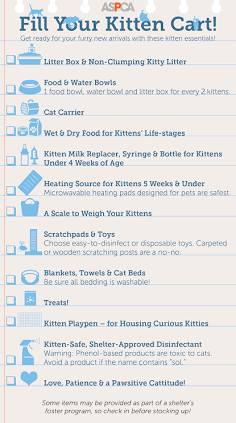
Build a Simple Foster Cat Supply Kit
A basic foster kit can include:
| Item | Why You Need It | Priority |
| Food and water bowls | Daily meals and water | Essential |
| Cat food | Proper nutrition | Essential |
| Litter box | Bathroom needs | Essential |
| Cat litter | Clean toilet area | Essential |
| Scoop | Litter cleaning | Essential |
| Soft bedding | Comfort | Essential |
| Hiding box | Helps nervous cats feel safe | Essential |
| Scratching pad | Healthy scratching | Helpful |
| Toys | Exercise and enrichment | Helpful |
| Carrier | Safe transportation | Essential |
| Cleaning supplies | Accidents and messes | Helpful |
| Digital scale | Useful for kittens | Helpful |
| Towels | Cleaning and handling | Helpful |
Ask the rescue what it provides before buying everything yourself.
Many organizations cover at least some supplies.
How to Become a Cat Foster Parent on a Small Budget
You do not need to spend a fortune.
Before buying supplies, ask the rescue what they can provide.
You may be able to use:
- Cardboard boxes
- Clean blankets
- Washable towels
- Simple food bowls
- A plastic litter box
- Homemade toys made from safe materials
However, do not give a foster cat unsafe toys.
Avoid small pieces, loose strings, sharp objects, and anything the cat can easily swallow.
Also, never assume a homemade product is safe just because it looks simple.
Learn the Cat’s Health History
Before bringing the cat home, ask for its medical information.
Find out:
- Has the cat seen a veterinarian?
- Has the cat received vaccines?
- Has the cat been tested for common diseases?
- Has the cat been spayed or neutered?
- Is the cat taking medicine?
- Does the cat have allergies?
- What food does the cat eat?
- Has the cat had recent surgery?
- Does the cat have known behavior problems?
This information helps you prepare.
Furthermore, keep the rescue’s emergency phone number somewhere easy to find.
Understand Quarantine and Separation
If you already have cats, separation becomes especially important.
A new foster cat may carry an illness without showing clear signs.
Therefore, follow the rescue’s quarantine rules.
Keep the foster cat in a separate room if the rescue recommends it.
Do not let cats share:
- Food bowls
- Water bowls
- Litter boxes
- Bedding
- Grooming tools
Also, wash your hands between handling different animals.
Never introduce animals simply because they appear friendly.
Your rescue or veterinarian should guide introductions.
How to Become a Cat Foster Parent for Kittens
Kittens can be wonderful foster animals, but they often need more time than adult cats.
Very young kittens may need frequent meals and close monitoring.
Some newborn kittens need bottle feeding.
Others may need help staying warm.
That is why beginners should ask whether a kitten is already eating on its own.
Alley Cat Allies advises people not to separate kittens from their mother simply because the mother is not immediately visible. The mother may be nearby, so observation from a safe distance can be important.
If a mother cat is caring for her kittens, the best plan may be to keep the family together.
Bottle Babies Need Extra Time
Newborn kittens can require intensive care.
They may need:
- Frequent feeding
- Warmth
- Weight checks
- Bathroom stimulation
- Close health monitoring
- Veterinary support
For this reason, bottle babies are usually better for experienced foster parents or beginners who receive strong training and support.
Never guess how much formula a tiny kitten needs.
Ask the rescue or veterinarian for clear instructions.
Learn to Read Cat Body Language
Cats do not speak human language, but they communicate clearly through behavior.
A relaxed cat may:
- Blink slowly
- Stretch
- Groom itself
- Sit comfortably
- Approach you
- Play
- Purr
- Eat normally
A frightened cat may:
- Hide
- Hiss
- Growl
- Flatten its ears
- Crouch
- Avoid eye contact
- Refuse food
- Swat
Alley Cat Allies explains that socialization exists on a wide range. Some cats enjoy human touch, while others avoid people and may not be suited for indoor adoption.
Therefore, do not force a scared cat to interact.
Give a Nervous Cat Time
One of the biggest mistakes new foster parents make is expecting instant friendship.
A new cat may hide for hours.
Some cats hide for days.
That does not automatically mean something is wrong.
Instead, sit quietly in the room.
Read a book.
Work on your laptop.
Talk softly.
Let the cat watch you without pressure.
Eventually, curiosity may win.
How to Become a Cat Foster Parent for Shy Cats
Shy cats can become wonderful companions.
However, progress may happen slowly.
Start with small steps.
First, let the cat see you.
Then, offer food.
Next, use a quiet toy.
After that, try gentle interaction if the cat welcomes it.
Do not grab the cat from its hiding place unless there is a safety or medical reason.
The goal is trust, not speed.
Alley Cat Allies notes that socialization means helping a cat become comfortable with human touch, spaces, sights, smells, and sounds over time.
Create a Daily Foster Routine
Cats often feel safer when life follows a routine.
Try to keep feeding, cleaning, play, and quiet time around similar hours each day.
A simple routine might look like this:
Morning
- Check the cat
- Refresh water
- Feed breakfast
- Clean the litter box
- Give medicine if prescribed
- Record anything unusual
Afternoon
- Short play session
- Quiet rest
- Check food and water
Evening
- Feed dinner
- Clean the litter box
- Play
- Spend calm social time
A routine also makes it easier to notice changes.
Track Food, Water, Litter, and Behavior
A small notebook can become your best foster tool.
Write down:
- Meal times
- Food amounts
- Water intake
- Litter box use
- Vomiting
- Diarrhea
- Energy level
- Medicine
- Weight
- Behavior changes
This record can help the rescue and veterinarian understand what is happening.
For kittens, regular weight checks can be especially useful.
How to Become a Cat Foster Parent When You Work Full-Time
Working full-time does not automatically prevent fostering.
However, your schedule matters.
An adult cat that eats independently may be easier than a newborn kitten.
If you work long hours, tell the rescue.
The group can help match you with a cat whose needs fit your routine.
Also, consider how weekends, holidays, and business trips affect your availability.
A good match helps both you and the cat.
Managing Foster Cats With Children
Children can learn kindness through fostering.
However, adults must supervise interactions.
Teach children:
- Do not chase the cat.
- Do not pull the tail.
- Do not wake the cat.
- Do not force hugs.
- Do not grab the cat.
- Let the cat walk away.
- Speak softly.
Give the cat a child-free resting area.
That private space helps the cat feel safe.
Fostering When You Already Have Cats
You can foster even if you already have pets.
However, the rescue should know about them.
Your resident cats may need time to adjust.
More importantly, disease prevention matters.
Follow the rescue’s quarantine rules and veterinary advice.
Do not rush introductions.
Your foster cat’s health and your resident pets’ health should come first.
How to Become a Cat Foster Parent in an Apartment
An apartment can work well for fostering.
Cats usually care more about safety and comfort than having a huge home.
A small apartment can work if you can provide:
- A quiet room
- Clean litter
- Food and water
- Safe hiding areas
- Scratching space
- Playtime
- Proper ventilation
- A secure door and window
Check your rental agreement before applying.
Some landlords have pet rules.
Understand Foster Cat Costs
Many rescue programs cover veterinary care.
Still, costs can vary.
Potential expenses include:
- Food
- Litter
- Cleaning supplies
- Transportation
- Toys
- Replacement bedding
- Emergency items
Ask the rescue exactly what it pays.
Never assume that you must personally pay for medical care.
Also, ask before approving veterinary treatment yourself.
Some organizations need foster parents to use approved clinics.
Learn What to Do During a Medical Emergency
Do not wait if a foster cat appears seriously ill.
Contact the rescue immediately.
Depending on the situation, the cat may need urgent veterinary care.
Warning signs can include:
- Trouble breathing
- Severe weakness
- Heavy bleeding
- Collapse
- Serious injury
- Repeated vomiting
- Severe diarrhea
- Seizures
- Extreme pain
- Inability to urinate
Your rescue should provide emergency instructions.
Alley Cat Allies also advises contacting a veterinarian immediately when a cat is sick or injured.
Do Not Give Human Medicine
Human medicine can be dangerous for cats.
Do not give painkillers, cold medicine, supplements, or other products unless a veterinarian specifically tells you to do so.
Even a small amount of some human drugs can cause serious harm.
When in doubt, call the rescue or veterinarian.
Never rely on an internet guess when an animal may be sick.
How to Become a Cat Foster Parent and Help With Adoption
Foster parents often know their cats better than anyone else.
That makes them valuable during adoption.
You can help by recording:
- Favorite toys
- Favorite food
- Sleeping habits
- Social behavior
- Energy level
- Reaction to children
- Reaction to other pets
- Litter habits
- Personality
These details help adopters understand what life with the cat may look like.
Take Better Photos of Your Foster Cat
Good photos can help adoption.
You do not need an expensive camera.
Use natural light when possible.
Take photos when the cat is relaxed.
Show different sides of the personality.
For example:
- Playing
- Sleeping
- Sitting
- Looking at the camera
- Using a scratching post
- Playing with toys
- Relaxing beside a person
Avoid frightening the cat just to get a photo.
Write an Honest Cat Biography
Do not describe every foster cat as “perfect.”
Honest information helps create better matches.
Instead, say something like:
“Milo is shy for the first few days, but he becomes playful once he trusts you. He loves feather toys and sleeps near the window.”
That description tells an adopter something useful.
It also reduces the chance of an unsuccessful adoption.
Help Your Foster Cat Learn Home Skills
Some rescue cats have never lived in a normal home.
You can gently teach them everyday habits.
Help them learn:
- Litter box use
- Scratching on approved surfaces
- Safe play
- Human routines
- Household sounds
- Gentle handling
- Carrier comfort
Keep training positive.
Never punish a cat for fear or mistakes.
How to Become a Cat Foster Parent and Socialize Cats
Socialization should match the individual cat.
A friendly cat may enjoy meeting visitors.
A shy cat may need one person at a time.
A young kitten may benefit from gentle exposure to different safe people.
However, do not overwhelm the cat.
The goal is to create positive experiences.
Alley Cat Allies recommends gradual socialization and careful introductions, especially when kittens meet new people or animals.
Real-Life Example: A First-Time Foster Parent
Consider a fictional but realistic example.
Sarah wanted to help animals, but she had never fostered before.
She contacted a local rescue and explained that she worked during the day.
The rescue matched her with a healthy adult cat named Luna.
Luna hid under the bed on the first day.
Sarah did not pull her out.
Instead, Sarah placed food, water, a litter box, and a safe hiding box nearby.
During the next few days, Luna began eating while Sarah was in the room.
Then Luna started playing with a small toy.
After about two weeks, Luna began sitting beside Sarah.
The rescue later found an adopter who wanted a calm adult cat.
Sarah shared Luna’s daily notes and photos.
The adopter knew what to expect.
The adoption went smoothly.
This example shows why patience often matters more than experience.
Case Study: Fostering a Mother Cat and Kittens
Imagine another foster home receiving a mother cat with four kittens.
The mother needs a quiet room.
The kittens need warmth, food, clean bedding, and regular observation.
The foster parent creates a simple schedule.
Every morning, the foster parent checks the family.
Then they clean the room and provide fresh food and water.
The foster parent records the kittens’ progress.
As the kittens grow, they begin playing and exploring.
Eventually, the rescue finds homes for the kittens.
The mother cat receives care for her own adoption.
The foster home has helped five cats move toward permanent homes.
This kind of foster work can make a major difference.
Advantages of Cat Fostering
There are many benefits to fostering.
You help a cat directly
Your home gives the cat space and attention.
You help the rescue
Each foster home creates room for another animal.
You learn about cats
You gain practical experience.
You help adopters
Your notes make it easier to match cats with suitable homes.
You can try cat companionship
Fostering can help people understand whether they are ready for permanent cat ownership.
You support animal welfare
Your time can help a rescue serve more animals.
Disadvantages of Cat Fostering
Fostering also has challenges.
Saying goodbye can hurt
You may become attached.
Cleaning takes time
Litter, fur, food, and accidents are part of the job.
Some cats need medical care
You may have to give medicine or attend appointments.
Behavior can be difficult
A scared cat may hide, scratch, or avoid people.
Your routine may change
Some kittens need frequent care.
Your pets may need separation
This can require extra planning.
However, knowing these challenges before starting can make fostering easier.
How to Handle “Foster Failure”
Sometimes a foster parent decides to adopt the foster cat.
People often call this a “foster fail.”
There is nothing wrong with falling in love with a foster cat.
However, think carefully first.
Ask:
- Can I afford another pet?
- Can I provide lifelong care?
- Does this cat fit my household?
- Do my other pets accept the cat?
- Does the rescue allow foster adoption?
If the answer is yes, adopting may be wonderful.
But remember that keeping every foster cat reduces the number of future cats you can foster.
How to Become a Cat Foster Parent Without Getting Overwhelmed
Start small.
Do not begin with the most difficult case unless you have strong support.
A healthy adult cat may be a better first foster than newborn kittens.
Create a simple checklist.
Before arrival
- Prepare the room.
- Buy or collect supplies.
- Save the rescue phone number.
- Read the cat’s medical notes.
- Ask questions.
After arrival
- Give the cat quiet time.
- Offer food and water.
- Show the litter box.
- Watch behavior.
- Follow rescue instructions.
Every day
- Feed.
- Clean.
- Observe.
- Play.
- Record changes.
- Communicate when needed.
Simple systems reduce stress.
Expert Advice: Match the Cat to Your Lifestyle
A strong foster match benefits everyone.
If you are a beginner, tell the rescue.
If you have children, tell the rescue.
If you have dogs, tell the rescue.
If you work long hours, tell the rescue.
If you cannot give medicine, say so.
The rescue can then make a better match.
Alley Cat Allies’ foster-care toolkit specifically encourages foster programs to define rules around veterinary care, supplies, outside access, other pets, and adoption responsibilities.
Expert Advice: Never Rush a Frightened Cat
A scared cat needs control over its environment.
Give it places to hide.
Keep noise low.
Move slowly.
Avoid staring.
Use a calm voice.
Offer food without forcing contact.
Then watch for small signs of progress.
A cat that eats while you are nearby is making progress.
A cat that plays is making progress.
A cat that sleeps openly is making progress.
Small wins matter.
How to Become a Cat Foster Parent and Build Trust
Trust develops through repeated safe experiences.
You provide food.
You clean the room.
You speak gently.
You respect boundaries.
You return at regular times.
Eventually, the cat learns that you are predictable.
That lesson can change behavior.
A frightened cat may start approaching you.
A quiet cat may start playing.
A cat that once hid may eventually sleep beside you.
Patience is one of the most valuable foster skills.
Foster Cat Safety Checklist
Before the cat arrives, check the room.
Door safety
Keep doors closed.
Window safety
Make sure windows cannot allow escapes.
Electrical safety
Hide loose wires.
Plant safety
Remove plants that may be toxic to cats.
Food safety
Keep human foods away from the cat.
Chemical safety
Lock away cleaning products.
Small objects
Remove items that could be swallowed.
Other animals
Follow separation rules.
A safe room prevents many avoidable problems.
A Simple Weekly Foster Chart
| Task | Daily | Weekly | As Needed |
| Fresh water | ✓ | ||
| Feed meals | ✓ | ||
| Scoop litter | ✓ | ||
| Wash bowls | ✓ | ✓ | |
| Wash bedding | ✓ | ||
| Record behavior | ✓ | ||
| Weigh kittens | ✓ | ||
| Take photos | ✓ | ||
| Vet visit | ✓ | ||
| Medicine | ✓ | ✓ | |
| Rescue update | ✓ | ✓ |
Adjust this chart to the instructions from your rescue and veterinarian.
How to Become a Cat Foster Parent and Avoid Common Mistakes
New foster parents sometimes make simple mistakes.
Mistake 1: Giving too much freedom too soon
A new cat may become overwhelmed.
Mistake 2: Forcing affection
Cats need choice.
Mistake 3: Ignoring small health changes
Small changes can matter.
Mistake 4: Introducing pets too quickly
Slow introductions are safer.
Mistake 5: Changing food suddenly
Food changes can upset digestion.
Mistake 6: Forgetting to communicate
Tell the rescue about problems early.
Mistake 7: Taking adoption personally
The goal is to help the cat find the right home.
What to Do If the Foster Cat Will Not Eat
A new cat may eat less during the first hours because of stress.
However, do not ignore a prolonged lack of appetite.
Contact the rescue and follow its medical guidance.
Do not force-feed unless a qualified professional instructs you.
Also, watch for other signs such as weakness, vomiting, diarrhea, breathing problems, or unusual behavior.
The rescue can tell you whether the cat needs veterinary care.
How to Become a Cat Foster Parent and Prepare for Adoption Day
Adoption day can feel exciting and sad.
Before the cat leaves, prepare the adopter information.
Share:
- Feeding schedule
- Favorite food
- Favorite toys
- Litter habits
- Personality
- Sleeping habits
- Known fears
- Favorite activities
- Medical information provided by the rescue
Pack any approved belongings that should travel with the cat.
Then let the rescue handle the official adoption process according to its rules.
The Emotional Side of Saying Goodbye
Goodbye can be the hardest part.
You may have cared for the cat for weeks.
You may have watched it become more confident.
You may even feel sad after adoption.
That feeling does not mean fostering failed.
In fact, it often means you did something meaningful.
Your job was to prepare the cat for a permanent home.
Another cat may need your room next.
Some foster parents take a short break between cats.
That is completely reasonable.
How to Become a Cat Foster Parent: Your First 30-Day Plan
If you want a simple starting plan, use this roadmap.
Days 1–3: Learn
Research local rescues.
Read their foster rules.
Ask questions.
Days 4–7: Apply
Complete the foster application.
Tell the rescue about your home, schedule, family, and pets.
Week 2: Prepare
Create a foster room.
Gather supplies.
Save emergency contacts.
Week 3: Meet Your Match
Talk with the rescue about suitable cats.
Choose a cat whose needs fit your lifestyle.
Week 4: Start
Bring the cat home.
Give it time.
Follow the care plan.
Record changes.
Communicate with the rescue.
This approach makes how to become a cat foster parent feel much less confusing because you can handle one step at a time.
Frequently Asked Questions About How to Become a Cat Foster Parent
- How to become a cat foster parent if I have no experience?
Start with a rescue that offers beginner-friendly cats and training. A healthy adult cat can often be easier for a first foster than newborn kittens.
- How long does a foster cat stay?
The length varies. Some cats stay for days, while others need weeks or months. Ask the rescue about its typical foster period.
- Do I need a large house?
No. A safe room can work well. Cats need safety, food, clean litter, comfort, and attention more than a huge home.
- Can I foster if I already own a cat?
Often, yes. However, you may need to keep the foster cat separate until the rescue says introductions are safe.
- Does the rescue pay veterinary bills?
Many rescue programs cover approved veterinary care. However, policies differ, so ask before fostering.
- Do I have to pay for cat food?
Not always. Some groups provide food and litter, while others ask foster parents to provide some supplies.
- Can I foster kittens?
Yes. However, young kittens may need much more care than adult cats. Ask about the kitten’s age and feeding needs first.
- Can I foster if I work full-time?
Yes, depending on the cat. A rescue can help match your schedule with an appropriate foster animal.
- What if the cat hides all day?
Give the cat time and a safe hiding place. However, contact the rescue if the cat also refuses food or shows signs of illness.
- Should I force a shy cat to come out?
No. Forcing interaction can increase fear. Instead, create positive experiences and allow the cat to approach at its own pace.
- Can children help with fostering?
Yes, with adult supervision. Teach children to respect the cat’s space and avoid chasing or grabbing it.
- Can I foster if I live in an apartment?
Usually, yes. Check your lease first and make sure you have a safe room for the cat.
- What happens if I need to go on vacation?
Tell the rescue before you start. The organization may provide temporary boarding or another foster caregiver.
- What if I become attached to the cat?
That is normal. You can ask about adoption if the rescue allows it. Otherwise, remember that the cat’s permanent home is the goal.
- What is a foster fail?
A foster fail is a casual term for adopting your foster cat instead of sending the cat to another adopter.
- Do foster cats need their own litter box?
A foster cat should have access to a clean litter box. If you have multiple cats, follow your rescue’s guidance about litter setup and separation.
- Can I foster a sick cat?
Possibly, but you should understand the care required before agreeing. Ask about medicine, vet visits, quarantine, and emergency support.
- Should I let my foster cat outside?
Usually, foster cats should remain indoors unless the rescue specifically gives different instructions. Outdoor access can create escape and safety risks.
- How can I help my foster cat get adopted?
Share accurate personality notes, good photos, and honest information with the rescue. Your daily observations can help find the right adopter.
- How to become a cat foster parent successfully?
Choose a trustworthy rescue, prepare a safe space, understand the cat’s needs, follow veterinary guidance, communicate often, and give the cat plenty of patience.
External Resources for New Cat Foster Parents
Reliable information can make your first foster experience much easier.
- ASPCA — General animal welfare, adoption, and pet-care information.
- Alley Cat Allies — Detailed resources about cats, kittens, socialization, community cats, and foster programs.
- Alley Cat Allies Community Resource Tool — A resource finder for cat-related services and local support.
- Humane Society of the United States — General animal welfare and responsible pet-care resources.
For kittens, Alley Cat Allies provides age-based guidance and stresses the importance of checking whether a mother cat is nearby before removing kittens from an outdoor location.
Final Thoughts: How to Become a Cat Foster Parent
Learning how to become a cat foster parent does not require you to know everything about cats on day one.
Instead, start with the basics.
Find a trustworthy rescue.
Prepare a safe room.
Collect simple supplies.
Learn the cat’s medical and behavior history.
Then give the cat time to settle.
Most importantly, listen to the rescue and veterinarian when a health or behavior problem appears.
Fostering can be messy. It can also be emotional. You may clean litter at inconvenient times. You may worry about a shy kitten. You may fall in love with a cat that eventually goes to another family.
Yet the reward can be huge.
A foster home can turn a frightened cat into a confident companion. It can give kittens a safe place to grow. It can give a sick cat time to recover. It can also give an adopter a chance to meet a cat’s real personality outside a shelter.
So, if you have patience, a safe space, and a caring heart, fostering may be a wonderful way to help.
You do not have to save every cat.
You only need to help the one in front of you.
And when that cat finally leaves for a loving permanent home, your empty foster room becomes an opportunity to help another animal.